
X

Partner Login

Enter your username and password here on order to log in on the partner portal:

No registered partner yet?

Register now

Top 10 Benefits of Using Bobbin Coil in Industrial Applications?

In today’s fast-paced industrial landscape, the use of the Bobbin Coil has gained significant traction. A Bobbin Coil is an essential component in various applications, including transformers and electric motors. According to a recent industry report by MarketsandMarkets, the global coil market is projected to reach $50 billion by 2026, highlighting the increasing demand for efficient energy solutions.

The primary advantage of Bobbin Coils is their compact design. This design allows for better thermal management and increased efficiency in power conversion. Studies suggest that using Bobbin Coils can enhance energy efficiency by up to 15% compared to traditional methods. Innovating with Bobbin Coils promotes sustainable practices, aligning with industry goals to reduce carbon footprints.

Despite these benefits, there are challenges in the manufacturing process. Quality control becomes crucial as slight variations can affect performance. Manufacturers must invest in advanced technology to ensure reliability. In conclusion, exploring the full potential of Bobbin Coils reveals both exciting advantages and critical considerations within the industrial sector.
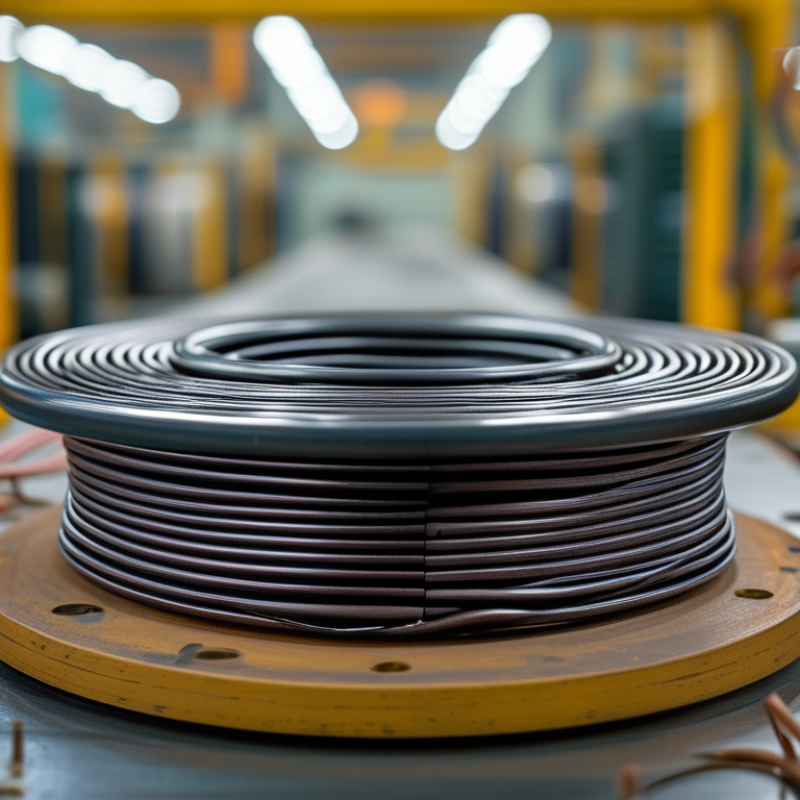
Top 10 Benefits of Using Bobbin Coil in Industrial Applications?

Advantages of Bobbin Coil in Electrical Engineering Applications

Bobbin coils are essential components in electrical engineering applications. Their unique design allows for efficient use of space and optimized electromagnetic performance. This efficiency translates into better energy utilization, reducing waste and improving overall system reliability. Engineers appreciate how bobbin coils minimize losses, especially in high-frequency operations. The compact nature of these coils simplifies circuit designs while enhancing functionality.

Another advantage is their versatility. Bobbin coils are used in various devices, from transformers to inductors. This adaptability makes them a go-to choice for many projects. Different wire configurations can be easily achieved, allowing for tailored solutions. However, not all bobbin coils are equal. Designing the right coil requires careful consideration of materials and dimensions. Engineers must analyze performance trade-offs in inductance and resistance.

In addition, the manufacturing process of bobbin coils poses some challenges. Precision in winding and insulation is crucial to prevent failures. These complexities mean that a thorough understanding of electromagnetic principles is necessary. Iterative testing can be time-consuming but provides valuable insights for future designs. Each mistake is a learning opportunity that informs better engineering solutions.

Top 10 Benefits of Using Bobbin Coil in Industrial Applications

Enhanced Performance Metrics of Bobbin Coils Compared to Traditional Coils

Bobbin coils offer significant advantages over traditional coils. Their design enhances efficiency and maximizes performance in various industrial settings. Engineers appreciate the compact structure, which allows for better space utilization. This helps in fitting coils into smaller machines without compromising functionality. The arrangement of the windings in bobbin coils contributes to their superior thermal management, reducing overheating risks.

The improved performance metrics of bobbin coils are noteworthy. They exhibit superior inductance and lower electromagnetic interference. This aspect is critical in applications requiring consistent signal integrity. Additionally, bobbin coils often have longer lifespans due to their robust construction. However, some industries still hesitate to transition due to the perceived complexity of installation and integration.

Experience shows that users must consider the specific application needs before switching. Not all setups may benefit equally from bobbin coils. Thorough testing under operational conditions is essential. Reliable data from trials can help teams make informed decisions. Ultimately, while bobbin coils present exciting possibilities, a thoughtful approach to their implementation is crucial for maximizing benefits.

Cost-Effectiveness of Using Bobbin Coils in Manufacturing Processes

Bobbin coils have become a favorite choice in manufacturing processes due to their cost-effectiveness. These coils are lightweight and easy to handle, which reduces labor costs. Their efficiency in electrical applications can lead to significant energy savings. Many companies find that switching to bobbin coils can decrease production costs while maintaining high-quality output.

Using bobbin coils also minimizes material waste. Their design allows for optimal use of raw materials, reducing excess. This careful allocation can lead to lower inventory costs and improved resource management. However, companies may need to invest in training for proper use. This can initially seem like an added expense, but the long-term savings often outweigh these costs.

The overall reliability of bobbin coils is another compelling reason for their adoption. They tend to have longer lifespans than standard coils, which translates into reduced replacement costs over time. Still, not all applications may suit bobbin coils perfectly, which requires careful consideration. Companies should evaluate both pros and cons. Each application is unique, and a thorough assessment can determine if the switch is genuinely beneficial.

Improved Thermal Management with Bobbin Coil Designs

Bobbin coils are gaining traction in industrial applications, particularly for their thermal management capabilities. These designs allow for efficient heat dissipation, which is crucial in preventing overheating. When used in transformers or inductors, the bobbin structure enhances airflow and thermal conductivity. This is vital in machinery where excessive heat can compromise performance.

Moreover, the design of bobbin coils aids in reducing the thermal stress on components. Thermal cycles can lead to failures if not managed properly. By using a bobbin coil, industries may experience fewer breakdowns due to heat-related issues. However, optimizing the thermal design is not without challenges. Engineers must carefully consider materials and configurations for maximum effectiveness.

One must also reflect on the potential downsides. While bobbin coils improve thermal management, they might add complexity to the design. This could lead to increased manufacturing costs and longer production times. It’s essential to weigh the benefits against these possible drawbacks. Understanding these factors can lead to more informed decisions in industrial applications.

Top 10 Benefits of Using Bobbin Coil in Industrial Applications - Improved Thermal Management with Bobbin Coil Designs

Benefit Description Impact on Thermal Management
Improved Heat Dissipation Bobbin coils enhance the surface area for thermal transfer, allowing for better heat dissipation. Reduces overheating risks.
Compact Design The design of bobbin coils is space-efficient, saving room in tight spaces. Facilitates better airflow and thermal management.
Enhanced Efficiency Bobbin coils minimize energy loss, increasing operational efficiency. Maintains optimal temperature for performance.
Versatile Applications Can be used in various industrial settings, from robotics to renewable energy. Adaptable thermal solutions across sectors.
Lower Operating Temperatures Maintains lower temperature during operations, preventing thermal stress. Enhances the lifespan of components.
Reduced Noise Levels Design helps to dampen vibrations, leading to quieter operation. Improves working conditions.
Cost-Effectiveness Long-term savings through efficiency and reduced need for maintenance. Financial savings contribute to operational budgets.
Ease of Integration Simplifies implementation into existing systems with minimal adaptation. Supports efficient thermal management without overhaul.
Improved Reliability Lower heat generation increases the overall reliability of operations. Ensures consistent performance over time.
Simplified Maintenance Design allows for easier access and reduced frequency of maintenance. Sustains thermal efficiency with less downtime.

Versatility of Bobbin Coils Across Various Industrial Sectors

Bobbin coils are increasingly prevalent across various industrial sectors due to their remarkable versatility. These components serve different purposes and are adaptable to numerous applications. From transformers in power distribution to electromechanical devices, the range of uses is broad. The design of bobbin coils allows them to be compact yet efficient, making them ideal for space-constrained environments. Their ability to handle different materials enhances their applicability, especially in industries such as automotive and aerospace.

In the manufacturing realm, bobbin coils help optimize energy efficiency. They play a crucial role in reducing waste in production lines. Companies often find that implementing these coils improves overall performance. However, not all bobbin coils are created equal. Variations in materials and designs can result in performance discrepancies. It's essential for engineers and designers to carefully consider their choices. Understanding these nuances leads to better overall functionality.

Moreover, the lifespan of bobbin coils can be a concern. Some coils may wear out quicker than expected, affecting operations. Regular maintenance and proper installation can mitigate issues. Still, industries must be vigilant and prepared for unexpected failures. This constant need for oversight encourages innovation and improvement. Embracing the strengths and weaknesses of bobbin coils can lead to more effective solutions.

Article Source: