Top Laser Welding Machine Benefits for Global Buyers?
Laser Welding Machines have gained immense popularity in various industries due to their precision and efficiency. According to a recent industry report by MarketsandMarkets, the global laser welding market is projected to reach $1.85 billion by 2026, growing at a CAGR of 5.5%. This growth reflects an increasing demand for high-quality welding solutions across sectors like automotive, aerospace, and medical devices.
The appeal of Laser Welding Machines lies in their ability to deliver high-speed welding with minimal thermal distortion. They provide a cleaner and more controlled process compared to traditional methods. The incorporation of advanced laser technologies has revolutionized manufacturing processes, allowing for intricate designs and superior quality. Yet, some buyers may still find the initial investment daunting. Understanding the long-term benefits can help justify the cost.
As the industry evolves, it’s crucial for global buyers to evaluate the technical specifications and after-sales support of Laser Welding Machines. Trustworthy suppliers often provide valuable insights into optimal usage. Overall, embracing these machines can significantly enhance production capabilities, but careful consideration is necessary.
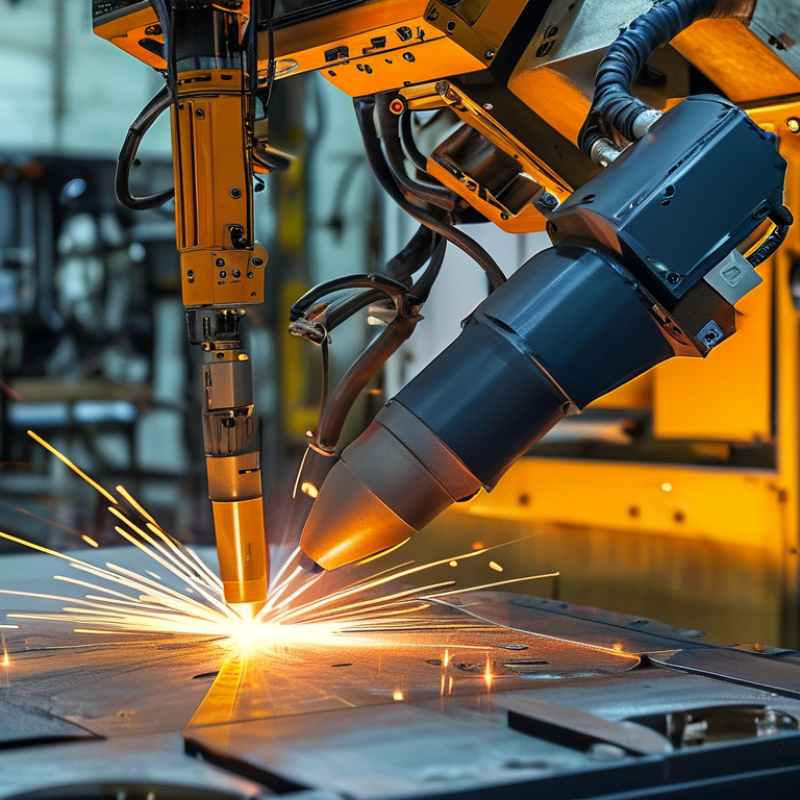
Key Advantages of Laser Welding Machines for Global Buyers
Laser welding machines offer a range of advantages that appeal to buyers worldwide. One significant benefit is their precision. These machines can create clean, strong welds with minimal heat input. This precision reduces the risk of warping or damaging surrounding materials. Buyers appreciate the ability to work with thin sections and delicate components.
Another key advantage is speed. Laser welding is generally faster than traditional methods, allowing for increased production rates. This efficiency can be vital for manufacturers facing tight deadlines. Additionally, the automation capabilities of laser welding systems can lead to consistent quality and reduced labor costs. While these machines require an upfront investment, the long-term savings often justify the cost.
Not all buyers may find laser welding suitable for their needs. It requires skilled operation and maintenance. Moreover, the technology may not be the best fit for thicker materials. Understanding these limitations is important in making informed purchasing decisions. Balancing the benefits and challenges is crucial for anyone considering this technology.
Cost Efficiency: How Laser Welding Reduces Operational Expenses
Laser welding is revolutionizing manufacturing by enhancing cost efficiency. It uses focused energy to create precise welds, minimizing material waste. Traditional welding methods often lead to excess scrap. With laser welding, the accuracy reduces these losses significantly. This leads to lower operational expenses for businesses.
Moreover, laser welding machines operate faster than their counterparts. This speed translates into shorter production cycles. Companies can fulfill orders more quickly, driving sales and revenue. The reduction in manufacturing time also means lower labor costs. Workers spend less time on each project, increasing overall efficiency.
However, implementing laser technology can be a significant investment. Companies may need to evaluate their current processes before making the switch. The transition can be complex, and understanding the technology is crucial. Proper training and adjustment are necessary to fully realize the benefits. A careful assessment can guide buyers to make informed decisions that align with their needs.
Precision and Quality: Superior Results in Metal Joining
Laser welding machines have gained attention for their precision and quality in metal joining. Their ability to produce strong, clean seams makes them a go-to for manufacturers. The focused laser beam melts the metal parts together with minimal heat-affected zones. This helps to maintain the integrity of the surrounding material, minimizing distortion.
A common issue with traditional welding methods is the risk of imperfections. For example, improper heat settings can lead to weak joints. In contrast, laser welding offers consistent control over parameters like power and speed. Many operators find this precision beneficial for complex designs. However, mastering these settings requires experience and technical understanding.
Adopting laser welding machines can greatly enhance productivity. Yet, not all operators may be trained adequately. Companies need to invest in training programs to avoid errors. With proper implementation, the results often exceed expectations. The long-term investment in laser technology can pay off for those willing to adapt.
Versatility: Applications of Laser Welding Across Various Industries
Laser welding has emerged as a pivotal technology across various industries. Its versatility allows for applications in automotive, aerospace, electronics, and medical devices. According to a report by MarketsandMarkets, the laser welding market is projected to reach $9.63 billion by 2025, reflecting its growing importance. The precision and speed offered by laser welding make it an invaluable solution for manufacturers under pressure to enhance quality and efficiency.
In the automotive industry, laser welding facilitates the joining of dissimilar materials, which is crucial for lightweighting. For instance, the combination of steel and aluminum in vehicle structures is becoming more common. This trend enhances performance while maintaining safety standards. Similarly, in electronics, laser welding is used for the assembly of delicate components, minimizing damage during the process.
Tips: Consider integrating laser welding into your production line. Evaluate the materials used in your products. This ensures the technology will yield the best outcomes. Investing in training is equally important. Skilled operators can leverage the unique benefits of laser welding effectively, maximizing efficiency and quality.
While laser welding offers many advantages, it's essential to recognize its limitations. Not all materials are suitable for this method. Some might show lack of penetration or require specific settings to ensure a robust joint. Regular evaluations can help mitigate these issues.
Top Laser Welding Machine Benefits for Global Buyers
Environmental Impact: Benefits of Laser Technology in Sustainable Practices
Laser welding technology is gaining ground in sustainable manufacturing. With its precision and efficiency, this method minimizes waste and energy consumption. A recent report by the International Energy Agency highlights that laser welding can reduce energy usage by up to 30% compared to traditional methods. This efficiency not only cuts costs but also lowers greenhouse gas emissions.
Furthermore, the reduction of materials waste is a significant advantage. Laser welding spots are smaller and require less filler material. Industry studies indicate that laser welding can decrease material waste by 25%. This is a crucial factor in a world increasingly focused on sustainability. However, challenges remain. The initial investment for laser technology can be high, which may deter some manufacturers. Evaluating long-term benefits versus initial costs is essential for decision-making in adopting this technology.
Another aspect is the impact on workforce training. Workers must adapt to new technologies and techniques. While laser welding is efficient, it requires skilled operators. Organizations need to invest in training to fully leverage the technology's advantages. As companies move toward more sustainable practices, laser welding presents both opportunities and challenges that must be navigated carefully.



 Distributors
  SDS Download
  Contact