Top Benefits of Zinc Die Casting for Global Buyers?
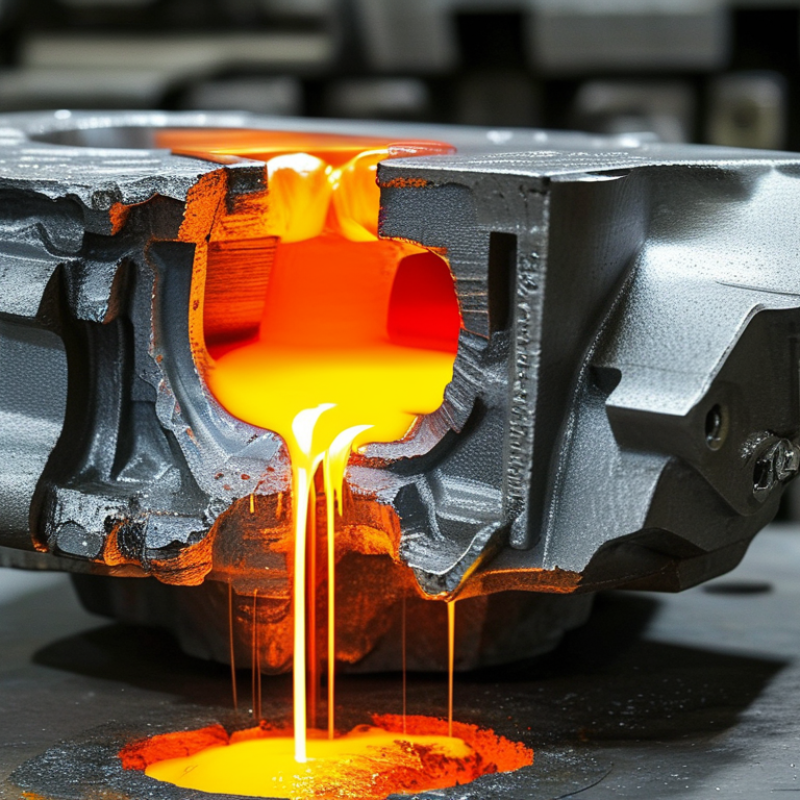
Zinc Die Casting offers significant advantages for global buyers seeking efficient manufacturing solutions. This process involves injecting molten zinc into molds, resulting in precise and high-quality metal parts. With its unique properties, such as strength and corrosion resistance, zinc die casting is ideal for various applications.
Many industries benefit from this technique, including automotive and electronics. The ability to produce complex shapes with tight tolerances enhances product performance. However, buyers must also consider their supplier's expertise and quality control measures. Finding a reliable partner is crucial for maximizing the advantages of zinc die casting.
As the demand for sustainable practices grows, zinc die casting becomes increasingly appealing. It allows for recycling scrap metal, reducing waste in production. Despite its benefits, challenges such as tooling costs and long lead times may arise. Understanding these facets can lead to more informed decisions in the global market.
Top Benefits of Zinc Die Casting for Global Buyers
Zinc die casting offers significant advantages for global buyers. A report from MarketsandMarkets states that the zinc die casting market is projected to reach USD 9.82 billion by 2026. This rapid growth is driven by the versatile applications of zinc in various industries, including automotive and electronics.
One key benefit of zinc die casting is its ability to create complex geometries with high precision. This results in lightweight yet durable components. According to a study by the Zinc Die Casting Association, parts made with zinc can be up to 25% lighter than those made of aluminum. Buyers appreciate this reduction in weight as it leads to lower transportation costs and improved efficiency in end products.
Additionally, zinc die casting enables faster production cycles. The short solidification time of zinc allows for quicker turnaround. However, it’s essential for buyers to recognize that the tooling costs can be higher than other materials. While the initial investment may seem steep, the long-term savings in production efficiency often compensate. This balance requires careful consideration from buyers aiming for sustainability and cost-effectiveness.
High Dimensional Accuracy and Surface Finish in Zinc Die Casting
Zinc die casting offers high dimensional accuracy, making it a popular choice for many industries. According to a recent study by the Die Casting Institute, components manufactured through zinc die casting can achieve tolerances as tight as ±0.005 inches. This exactness is crucial in sectors such as automotive and aerospace, where precision is non-negotiable.
Additionally, the surface finish in zinc die casting is impressive. The process can produce finishes as smooth as 125 microinches. This level of detail often eliminates the need for extensive secondary machining. However, achieving this quality consistently can pose challenges. Variability in die design and operator skill can impact final results. Consistent training and quality control are essential, but not always implemented effectively.
Despite these concerns, the benefits of zinc die casting are compelling. The ability to create complex shapes while maintaining structural integrity is unmatched. Many buyers report reduced production cycles and lower costs overall. Nonetheless, always consider the balance between precision and production efficiency. It’s vital to reflect on these elements for better practices in the future.
Top Benefits of Zinc Die Casting for Global Buyers
| Benefit | Description | Use Cases |
| High Dimensional Accuracy | Zinc die casting allows for tight tolerances and high precision in component production. | Automotive components, electronic housings, precision machinery parts |
| Excellent Surface Finish | Provides a smooth surface finish that often requires little to no additional finishing processes. | Consumer products, decorative parts, appliance housings |
| Rapid Production Speed | Zinc die casting process allows for fast production of high volumes of parts. | Mass production of automotive and industrial components |
| Cost Efficiency | Lower material costs and reduced waste contribute to overall cost savings. | Large-scale manufacturing of cost-sensitive items |
| Design Flexibility | Malleable design options that allow for complex shapes and features in parts. | Customized parts for machinery, intricate electronic devices |
Cost Efficiency: A Comparison of Zinc Die Casting with Other Methods
Zinc die casting offers notable cost efficiency compared to other manufacturing methods. In the production of complex parts, this method can significantly reduce labor and material costs. The process yields high precision components without extensive post-processing, saving time and resources. For global buyers, this means more competitive pricing and faster delivery of products.
Tips: Consider the initial setup costs. While zinc die casting can be cost-effective for high-volume orders, smaller batches might not yield the same savings. Evaluate your production needs carefully.
Another advantage lies in the material properties. Zinc has excellent malleability and can be molded into intricate shapes. This adaptability allows designers to create lighter components that meet stringent quality standards. Organizations can thus streamline their operations and reduce inventory costs.
Tips: Always seek expert advice on design. A well-designed part can eliminate unnecessary costs down the line. Investing time in planning can lead to better outcomes.
Enhanced Mechanical Properties of Zinc Die Cast Parts: Key Statistics
Zinc die casting offers impressive mechanical properties that attract global buyers. Zinc-aluminum alloys demonstrate high strength and hardness. These materials exhibit excellent dimensional accuracy, ensuring parts fit perfectly. Additionally, they resist corrosion effectively, extending the parts' lifespans.
Key statistics highlight these benefits. For instance, zinc die cast parts can withstand stress exceeding 100 MPa. They also maintain ductility, crucial for applications in tough environments. This balance between strength and flexibility makes zinc components highly desirable.
However, it’s not all smooth sailing. The die casting process demands precise temperature control and timing. If not managed well, it can lead to defects. Buyers should be aware of these potential challenges. Ensuring reliable sources for raw materials is essential too. Understanding these aspects can enhance the overall effectiveness of zinc die casting.
Sustainability and Recycling Benefits of Zinc Die Casting Processes
Zinc die casting processes are increasingly recognized for their sustainability and recycling benefits. Zinc has one of the highest rates of recycling among metals, estimated at around 95%. This high recyclability means that products made from zinc are often reused at the end of their life cycle, significantly reducing waste.
Additionally, producing zinc die-cast components typically requires less energy than other metal casting methods. According to industry reports, the energy consumption for zinc die casting is up to 30% lower compared to aluminum. This reduction is crucial as energy efficiency is a significant factor in minimizing environmental impact. Moreover, zinc die casting has a lower carbon footprint, making it a more sustainable option for manufacturers.
Tips: Consider sourcing parts made from recycled zinc for your projects. This can enhance your product's environmental credibility. Regularly review your suppliers to ensure they prioritize sustainable practices. Remember to evaluate lifecycle assessments to assess the full impact of your materials.
Zinc die casting offers a pathway to a circular economy. Though challenges remain, like the need for better recycling infrastructure, the industry continues to make strides. Embracing these benefits fosters responsible sourcing and contributes to environmental preservation.
Top Benefits of Zinc Die Casting for Global Buyers
Conclusion
Zinc Die Casting offers numerous advantages for global buyers, making it an increasingly popular choice in manufacturing. This process is renowned for its high dimensional accuracy and superior surface finish, ensuring that components meet stringent quality standards. Additionally, it demonstrates cost efficiency when compared to traditional manufacturing methods, allowing businesses to optimize their production budgets.
The mechanical properties of zinc die cast parts are enhanced, providing durability and strength that are essential for a wide range of applications. Furthermore, the sustainability aspect of zinc die casting cannot be overlooked, as it supports recycling efforts and reduces waste. With market projections indicating significant growth for zinc die casting by 2025, it is clear that this method not only meets current manufacturing needs but is also poised for a thriving future in the industry.



 Distributors
  SDS Download
  Contact