
Partner Login
Enter your username and password here on order to log in on the partner portal:
No registered partner yet?
Register nowThe 200*1800mm Graphite Electrode is a compact specification, but choosing one involves more than checking dimensions. Electrode quality affects current transfer, consumption, and operating stability in electric arc furnaces. The scale of the market matters: the World Steel Association’s World Steel in Figures 2025 reports 1,882.6 million tonnes of crude steel production in 2024. That figure does not predict demand for a particular size. It does show why consistent electrode supply remains an important purchasing concern.
This guide compares five suppliers for 2026, focusing on verifiable product details rather than polished catalog claims. Buyers should check electrode diameter and length, graphite grade, electrical resistivity, bulk density, flexural strength, and nipple compatibility. Ask for recent test reports and batch traceability. Then confirm lead times, packaging, export experience, and how the supplier handles quality complaints. A low quotation can look convincing. It may not include dependable delivery or consistent performance. A neat datasheet can still leave important questions unanswered; no single rating captures every furnace’s conditions. That is an imperfect part of any supplier comparison. The strongest choice is the one whose documented specifications fit your operating needs and whose claims can be checked before an order is placed.
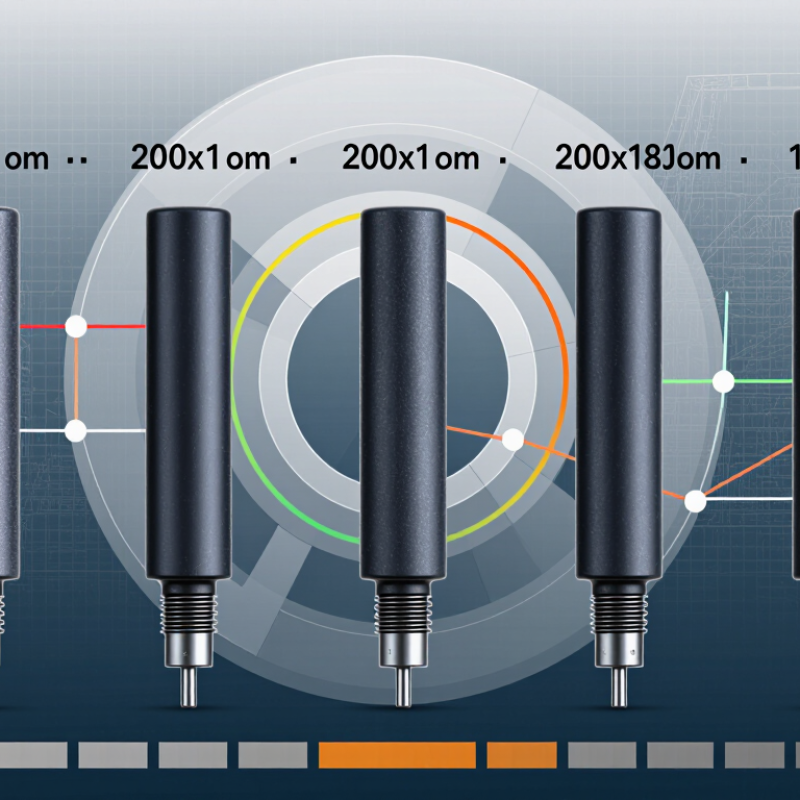
A 200 × 1800 mm graphite electrode is generally described by its nominal outside diameter and overall length: about 200 mm across and 1,800 mm from end to end. Confirm the supplier’s drawing before ordering, since listings may define usable length differently, especially where threaded ends are involved.
That distinction matters.
The dimensions alone do not identify the electrode’s grade or operating performance. Buyers should also check properties such as electrical resistivity, bulk density, flexural strength, and the specified dimensional tolerances. For a 200 mm diameter, even small surface damage near the connection can affect handling or assembly. Ask how the ends are machined, what connector dimensions are supplied, and how the electrode is protected during transport. A mill inspection report and clear packing details make comparisons more reliable. I would not assume two electrodes are interchangeable just because both carry the same size label; the drawing and measured specifications should agree.
Evaluating a 200x1800 mm graphite electrode supplier means checking fit, consistency, and evidence—not just price. Confirm dimensional tolerances, nipple compatibility, bulk density, electrical resistivity, flexural strength, and ash content against your furnace requirements. Request a batch-specific test certificate and traceability records. Small details matter. A few millimetres of mismatch can complicate assembly or increase handling risk.
Market data gives useful context, not a buying shortcut. The World Steel Association’s World Steel in Figures 2025 reports that electric-arc furnaces produced 28.6% of global crude steel in 2023. Electrode reliability matters in this process, but that figure cannot predict consumption at an individual plant. Current, scrap mix, furnace practice, and breakage all affect results. Compare trial data, including electrode use per tonne of steel, where available.
Check how the supplier protects electrodes during transport. Look for secure end protection, dry storage guidance, and clear shipment records. Ask how defects are handled and whether replacement lead times are realistic. A polished specification sheet can still leave gaps; independent testing may be worthwhile for a first order. Test it first. Don’t judge a supplier on one shipment alone. Review consistency across batches, while recognizing that plant conditions can muddy the comparison.
| Evaluation area | What to verify for a 200 × 1800 mm electrode | Evidence to request | Comparison measure | Supplier 1–5 result |
|---|---|---|---|---|
| Product and dimensional fit | Confirm nominal diameter of 200 mm and nominal length of 1800 mm, electrode grade, end configuration, and whether nipples are included. | Dimensioned drawing, product data sheet, and written confirmation of the ordered configuration. | Record the quoted dimensions and agreed tolerances; compare them with the purchase specification. | Enter verified result |
| Grade and technical properties | Check that the proposed grade is suitable for the furnace and operating conditions. Compare properties only against the supplier’s stated grade and test method. | Current technical data sheet and batch test certificate covering applicable properties such as bulk density, electrical resistivity, and flexural strength. | Compare reported values, units, test methods, and specification limits on a like-for-like basis. | Enter verified result |
| Quality control and traceability | Establish how the supplier controls production batches, inspects finished electrodes, handles nonconforming product, and traces delivered material. | Quality-system documentation, inspection records, sample certificates, and a description of batch identification and complaint handling. | Check that records are complete, internally consistent, and linked to the shipment and batch. | Enter verified result |
| Packaging and delivery capability | Confirm export packaging, protection against handling damage, shipment quantity, lead time, delivery terms, and the process for reporting transit damage. | Packing specification, dated production and shipment schedule, sample packaging photographs, and written Incoterms® 2020 quotation. | Compare confirmed lead time, packaging details, delivery term, and remedies for shortages or damage. | Enter verified result |
| Commercial terms and after-sales support | Review total landed-cost components, quotation validity, payment terms, order-change conditions, and technical support availability. | Itemized quotation, payment schedule, warranty or claims policy, and named technical contact role. | Compare equivalent quantities, delivery terms, fees, payment conditions, and documented support commitments. | Enter verified result |
For 200 × 1800 mm graphite electrodes, compare five supplier profiles: large-scale producers, precision machining specialists, export-focused manufacturers, technical-service providers, and regional stockholders. Treat these as sourcing options, not a verified ranking. The right fit depends on furnace design, current, connection type, and operating conditions.
World Steel Association’s World Steel in Figures 2025 reports 1,882.6 million tonnes of crude steel production in 2024. That scale underlines why consistent electrode quality matters in electric-arc steelmaking. Ask each supplier for dimensional tolerances, bulk density, electrical resistivity, flexural strength, and test methods. Check that documents refer to the offered grade and production lot, not merely a general product range.
Fit matters. For a 200 mm diameter and 1,800 mm length, confirm usable length, nipple compatibility, packaging, and handling protection before ordering. Request recent inspection records and sample data, then compare them against your furnace requirements. A polished datasheet is useful, but it cannot predict performance by itself. One weakness in many comparisons is treating price as a quality proxy; shipment consistency and responsive technical support also deserve scrutiny.
For a 200 × 1800 mm graphite electrode, compare verified specifications before comparing quotations. Request lot-specific data for diameter, length, bulk density, electrical resistivity, and flexural strength. Ask how each value was measured, and whether the certificate matches the shipped batch. A polished datasheet is useful, but it is not proof of consistent production. Small differences matter.
Price makes more sense when viewed alongside usable yield and delivery risk. A lower unit price may lose its appeal if electrodes arrive with chipped ends, weak packaging, or unclear tolerances. World Steel Association’s World Steel in Figures 2025 reports approximately 1.88 billion tonnes of crude steel production in 2024. That scale underlines the importance of reliable consumables, though it does not predict demand for any individual buyer. Compare quotations on the same basis: electrode grade, quantity, freight, packaging, and payment terms.
Delivery claims deserve a practical check. Ask suppliers for current production lead times, dispatch records, and realistic transit estimates to your site. Confirm whether the quoted date means factory release or arrival. Keep a small buffer for port handling and inspection; forecasts can be wrong, and buyers sometimes underestimate the last stretch. For a fair comparison, score quality, total landed cost, and delivery reliability separately, then document why one trade-off suits your furnace and operating schedule.
For 200x1800 mm graphite electrodes, compare suppliers on verified performance, not just price. The World Steel Association’s World in Steel Figures 2024 reports that electric arc furnaces produced 28.6% of global crude steel in 2023. That makes electrode consistency important for steelmakers managing furnace uptime and power use.
Ask each supplier for recent test certificates covering resistivity, bulk density, flexural strength, and dimensional tolerances. Check that the stated 200 mm diameter and 1800 mm length match your mill’s handling and furnace requirements. Small details matter. Confirm nipple and thread compatibility, too; a mismatch can cause delays or connection problems. Request batch-specific records rather than a generic product sheet.
Evaluate delivery and packaging alongside technical data. Ask how electrodes are protected from moisture and impact, and whether the quoted lead time includes inspection and export packing. If possible, review a sample and speak with a production or quality contact about how defects are handled. One awkward point: supplier claims can look reassuring on paper, while the first shipment tells a different story. Compare written specifications against independent test results, and clarify replacement terms before placing an order.