Why Choose the Best Chain Weaving Machine for Your Business?
Choosing the right chain weaving machine is critical for any business in the textile industry. According to a recent report by Market Research Future, the global market for weaving machines is expected to grow significantly, reaching USD 3.4 billion by 2026. This growth is driven by advancements in technology and increased demand for high-quality woven products.
Expert in textile machinery, Dr. Samuel Lee, emphasizes, “Investing in top-tier chain weaving machines can dramatically enhance productivity and quality.” His insights highlight the importance of selecting machines that meet specific operational needs. Many businesses mistakenly opt for lower-cost options without weighing the long-term effects on efficiency and output quality.
Choosing the best chain weaving machine requires careful consideration. It is not just about cost – the right machine can reduce waste and improve operational flow. While some companies overlook this, the selection process warrants reflection. Understanding the unique needs of your production line is essential to making an informed decision.
Understanding Chain Weaving Machines: An Overview
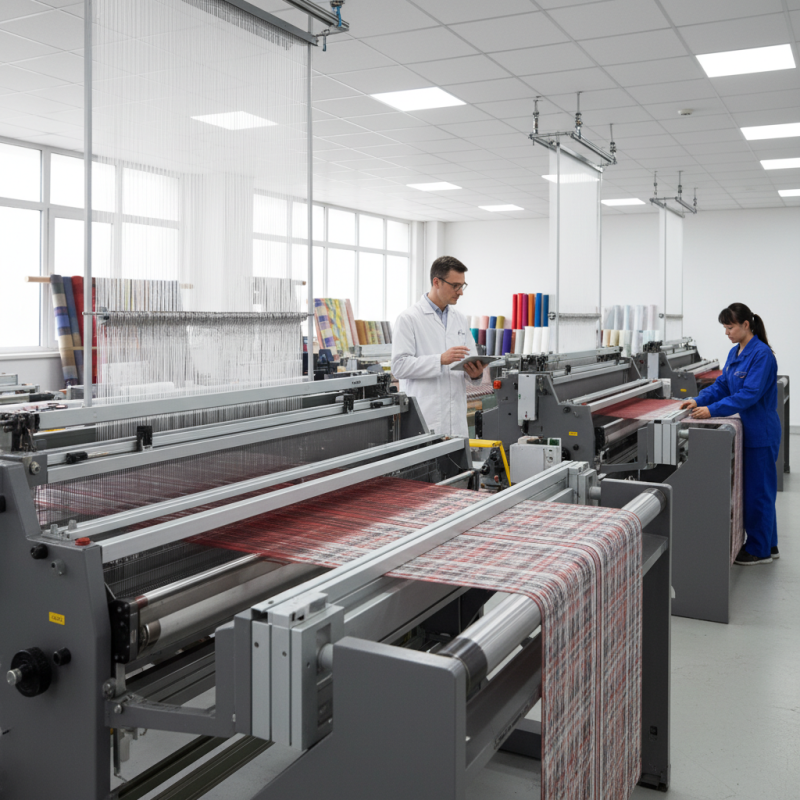
Chain weaving machines are essential in various textile manufacturing processes. They automate the creation of intricate patterns, enhancing both efficiency and precision. According to the latest industry report by Research and Markets, the global market for weaving machinery is expected to reach $8.5 billion by 2028, reflecting a compound annual growth rate (CAGR) of 4.2%. This growth underscores the increasing demand for advanced machinery in textile production.
These machines operate by interlacing yarn in a specific order, which offers numerous advantages. For example, they enable high-speed production, which can be crucial for meeting tight deadlines in competitive markets. Additionally, modern chain weaving machines can handle a variety of materials. They are adept at working with both natural and synthetic yarns, making them versatile tools for manufacturers.
However, the initial investment can be substantial. Smaller businesses might hesitate due to the upfront costs and maintenance challenges. It's important to weigh these factors carefully. Investing in a high-quality machine may lead to long-term savings and increased productivity. Ultimately, understanding the technology behind chain weaving machines can provide a clearer path for businesses looking to enhance their operations.
Key Features to Consider When Choosing a Chain Weaving Machine
Choosing the right chain weaving machine for your business can significantly impact productivity. When selecting, focus on key features that suit your needs. Start with speed and efficiency. A machine that operates at higher speeds can produce more output in less time. Ensure it has adjustable settings to cater to different projects.
Next, consider durability. Look for machines made of high-quality materials. A robust build means less downtime for repairs. Frequent failures can drain resources and time. A sound investment should provide longevity and reliability.
Tips: Evaluate the machine's maintenance requirements. Machines that require minimal upkeep often translate to lower long-term costs. Check online reviews and user feedback to gauge performance.
Finally, ease of use matters. Machines equipped with user-friendly interfaces reduce the learning curve. Staff training becomes quicker and involves less frustration. A complicated setup can lead to delays and errors. Investing in intuitive technology often pays off in efficiency.
Why Choose the Best Chain Weaving Machine for Your Business?
Benefits of Investing in High-Quality Chain Weaving Equipment
Investing in high-quality chain weaving equipment enhances productivity and overall production quality. Industry reports reveal that businesses with advanced weaving machines can see a 25% increase in production efficiency. This improvement is crucial in a competitive market. High-quality machines also provide better durability, resulting in lower maintenance costs.
Tips: When choosing equipment, consider longevity over initial cost. A reliable machine might seem expensive upfront, but its lifespan can result in significant savings. Look at user reviews and expert recommendations to assess performance.
The precision of high-end chain weaving machines leads to fewer errors. This assures consistency in the final product, crucial for building customer trust. Reports indicate that companies using top-tier machinery experience a 40% reduction in production errors, which directly impacts customer satisfaction. However, investing in such machines requires careful consideration of operational needs and potential return on investment.
Tips: Before purchasing, assess the specific requirements of your business. Not every operation requires the highest-end model. Evaluate the balance between cost and the expected benefits to ensure a wise investment.
Assessing Business Needs: Matching Machines to Production Requirements
When assessing your business needs, understanding production requirements is crucial. It goes beyond just selecting a machine. Consider the type of materials you will be working with. Different machines work better with various chain materials. If your production involves heavy-duty chains, ensure the machine can handle the load. Look for robust specifications. Experts often miss this detail.
Another aspect to reflect on is production volume. If your business experiences fluctuating demands, investing in adaptable machines could be a priority. Machines that can switch processes quickly may save you time and resources. Yet, they often come with a higher investment cost. Determining the right balance between cost and capability is essential but can be challenging.
Maintenance is another point to ponder. A high-end machine usually requires specific knowledge for upkeep. If your team lacks this expertise, consider training costs. Some businesses neglect this aspect, leading to increased downtime. In the long run, ensuring your team is equipped to handle maintenance strengthens reliability. Reflecting on these elements will guide you to make a more informed choice.
Why Choose the Best Chain Weaving Machine for Your Business? - Assessing Business Needs: Matching Machines to Production Requirements
| Machine Type | Production Capacity (meters/hour) | Power Requirement (kW) | Weaving Width (cm) | End Product Type |
| Automatic Chain Weaving Machine | 120 | 15 | 200 | Textile Fabrics |
| Semi-Automatic Chain Weaving Machine | 80 | 10 | 150 | Mesh Fabrics |
| Manual Chain Weaving Machine | 30 | 5 | 100 | Specialty Fabrics |
| High-Speed Chain Weaving Machine | 150 | 20 | 250 | Industrial Fabrics |
| Eco-Friendly Chain Weaving Machine | 100 | 8 | 180 | Recycled Fabrics |
Long-Term Cost Benefits of the Best Chain Weaving Machines
When selecting a chain weaving machine, understanding its long-term cost benefits is crucial. High-quality machines tend to reduce maintenance and operational costs. A recent industry report indicates that investing in advanced machines can cut production costs by 20% over five years. This efficiency is essential for any business seeking sustainable growth.
For instance, the use of state-of-the-art technology often leads to higher productivity. Machines featuring automation can produce more units in less time. This boost in speed minimizes labor costs. Studies show that businesses with faster production capabilities experience a 15% increase in profit margins. The initial investment may be higher, but the return on investment can be significant.
Moreover, the best chain weaving machines are designed for longevity. While they may require an upfront investment, their durability can lead to lower total ownership costs. It's important to balance initial costs with potential savings. Reflecting on the long-term benefits can guide businesses in making the right choice. High-quality machines also tend to have better resale value. This can offset future capital expenses. In the end, considering both the immediate and extended implications remains vital for sound decision-making.



 Distributors
  SDS Download
  Contact