What is the Best Food Printer for Global Buyers?
The growing interest in food printers has sparked a revolution in culinary innovation. According to Market Research Future, the global food printing market is projected to reach $520 million by 2027, highlighting its increasing relevance. Food printers offer versatility, allowing chefs to design intricate food shapes and personalize dishes. These devices transform traditional cooking methods and cater to individual tastes.
However, selecting the best food printer can be challenging. Various models cater to different needs, from home chefs to professional kitchens. Factors such as printing speed, compatibility with different materials, and ease of use play pivotal roles in this decision. Despite their potential, some food printers disappoint users with limited functionalities, sparking debates on which models truly deliver.
While the market presents numerous options, buyers must navigate through a plethora of features and claims. Reliable reviews and expert recommendations are crucial. They help consumers make informed choices and find a food printer that aligns with their culinary aspirations and production needs.
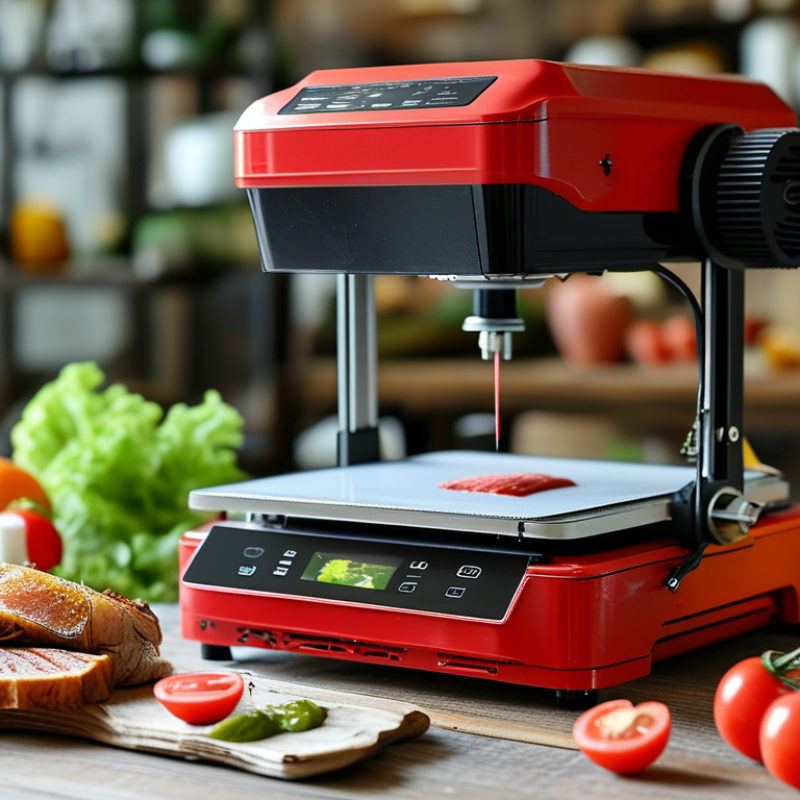
Types of Food Printers Available on the Market
Food printers have gained popularity in recent years. They allow creators to personalize their culinary designs. Different types of food printers cater to various needs and preferences. Understanding these options can help one make an informed choice.
One common type is the inkjet food printer. These printers use edible inks to create designs on cakes, cookies, and other confections. They offer a wide range of colors and detailed prints. However, users must ensure the quality of edible ink, as not all are safe for consumption. Another type is the 3D food printer, which extrudes edible ingredients to create unique shapes and textures. While they can produce striking results, the learning curve can be steep.
A less common type is the laser food printer. This technology uses lasers to create designs on food surfaces. It offers precision but may require specialized training. Despite its potential, this technology raises questions about practicality and cost. Each type of food printer has its pros and cons, highlighting the need for careful consideration based on intended use and budget. The choice ultimately depends on the user’s culinary goals and familiarity with printing technology.
Key Features to Consider When Choosing a Food Printer
When selecting a food printer, key features can make a significant difference. First, consider the printer’s resolution. Higher DPI settings yield clearer and more vibrant images on food. This ensures that intricate designs or logos look appealing and professional.
Additionally, evaluate the range of edible inks available. Diverse colors and materials can enhance creativity in food presentation.
Another aspect to ponder is ease of use. A user-friendly interface is essential. It should allow for simple design uploads and printing operations. Some models may seem intuitive but can be frustrating to use if they require extensive setup.
Look for machines that offer tutorials or customer support to streamline the experience.
Durability is also vital. A food printer should withstand frequent use without mechanical issues. Reviews and reliability ratings can help gauge this. Many buyers overlook maintenance requirements, which can be a stumbling block. Be prepared to handle regular cleaning or part replacements.
Top Brands and Models for Global Buyers
When exploring food printers, various brands stand out for global buyers. These printers use innovative technology to create edible designs. They can print intricate patterns on cakes and pastries. The quality of prints varies greatly. Some machines provide vibrant colors, while others fall short in this aspect.
Users often report mixed experiences with certain models. While some printers handle different edible inks well, others struggle with consistency. Reliability is crucial when printing food items. A printer that jams frequently can be frustrating. Ease of cleaning is another factor to consider. Some models have complicated disassembly processes, making maintenance challenging.
It's important to consider the user interface. A complicated setup can deter new users. Features such as connectivity options also matter. Some machines offer wireless printing capabilities, while others do not. The market is diverse, and choices can be overwhelming. Prospective buyers should assess their needs carefully. Practical reviews from experienced users can guide decisions.
Comparative Analysis of Pricing and Performance
When evaluating food printers for global buyers, pricing and performance are vital factors. The market offers a variety of options, each catering to different needs. Prices can vary significantly, with some models falling within an affordable range while others command a premium. Performance also fluctuates, particularly in print quality and speed. A thorough assessment can help potential buyers determine which printer suits their specific culinary needs.
Many users find that lower-priced models may compromise on features. For instance, they might lack advanced software or color accuracy. Conversely, high-end machines often deliver stunning results but come with a hefty price tag. It's common for buyers to grapple with the balance of cost versus capability. Exploring user reviews can provide insight into actual performance versus advertised features. Yet, even reviews can be subjective, making it essential to consider multiple perspectives.
Ultimately, the best food printer is one that aligns with individual needs. Common complaints exist regarding usability and maintenance across various models. Some users report difficulties in setup or inconsistent results. Reflecting on these experiences can guide buyers in making informed decisions that prioritize reliability and efficiency. As the market evolves, staying informed about emerging technologies can also enhance the food printing experience.
Customer Reviews and User Experiences with Food Printers
As the food printing industry evolves, customer reviews reveal valuable insights into user experiences. Many users appreciate the creative possibilities that food printers offer. They enjoy crafting unique designs on cakes and confections. However, not all users are entirely satisfied. Some note that consistency in print quality can vary significantly from one use to another.
According to recent data, 35% of users reported challenges with software compatibility. Users expressed frustrations with complex setups. Additionally, many highlighted the learning curve involved in mastering food printing techniques. Demands for user-friendly interfaces are on the rise. Reports indicate that 60% of potential buyers prioritize ease of use in their purchasing decisions.
In terms of materials, user feedback suggests that not all food-safe inks and cartridges perform equally well. Issues like color vibrancy and lasting quality were frequently mentioned. While many have shared incredible results, others wish for better durability of their printed designs. As the market matures, ongoing refinements in technology and user experiences will likely shape the future of food printers.



 Distributors
  SDS Download
  Contact