How to Choose Aluminothermic Welding Kits for Your Projects?
Choosing the right Aluminothermic Welding Kits for your projects can be daunting. These kits are crucial in various welding applications, especially in railways and heavy industries. They offer a safe and effective means of joining metals with high precision.
Understanding the different types of Aluminothermic Welding Kits is essential. Each kit varies by composition and application. Factors such as the materials being welded and the specific project requirements play a significant role. For instance, kits designed for railway tracks need unique characteristics compared to those for construction purposes.
Many users face challenges in selecting the right kit. Mistakes can lead to safety issues or show subpar results. Therefore, researching supplier reliability and product specifications is critical. Gathering expert advice also helps in making informed choices. Overall, thorough evaluation ensures you have the best Aluminothermic Welding Kit for your needs.
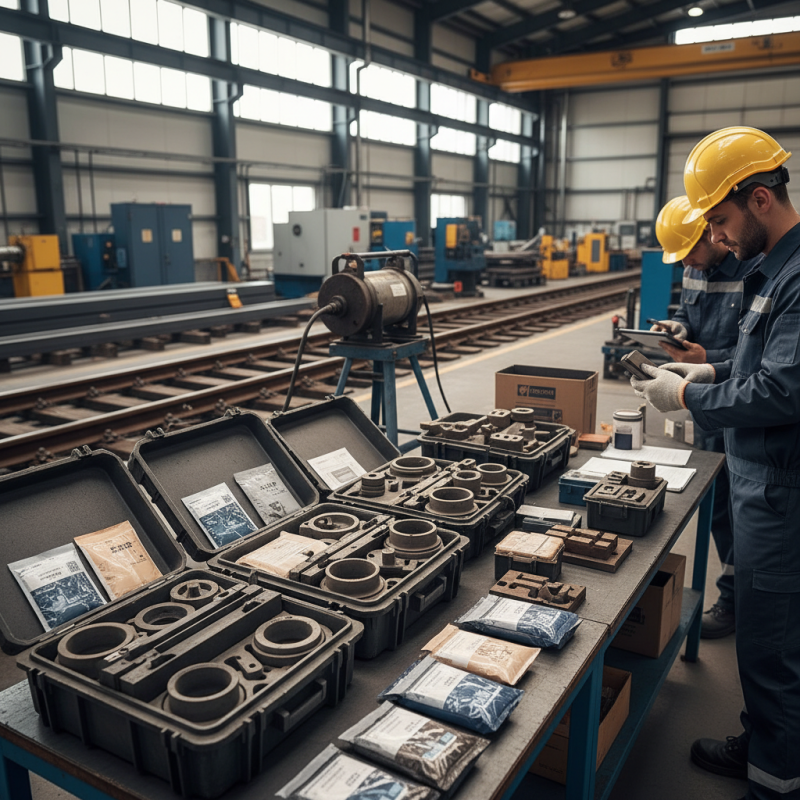
Understanding Aluminothermic Welding: An Overview
Aluminothermic welding is a specialized technique used primarily in rail construction. This method employs a thermite reaction to fuse metals, achieving high strength and durability. The process involves burning aluminum powder and metal oxides, producing molten iron. This molten material then fills the joint between rail pieces, ensuring a robust bond.
Looking deeper into the process, the temperature must reach over 2500 degrees Celsius. This is essential for effective fusion. The entire operation requires precision and attention to detail. A slight miscalculation can lead to poor weld quality or even safety hazards. It's vital for welders to undergo proper training. Only then can they fully understand the chemical reactions involved and their implications.
One often overlooked aspect is equipment quality. It may influence the outcome significantly. Low-quality tools can hinder the process, leading to mistakes. Evaluating the specifications of your welding kit is crucial. Understanding your project needs will guide you to the right choice. Don’t forget, experience plays a key role in mastering this technique. Continual practice and learning are necessary for improvement.
Aluminothermic Welding Kit Comparison
Key Components of Aluminothermic Welding Kits
When selecting aluminothermic welding kits, understanding key components is essential. The primary element is the welding powder, typically a mix of aluminum and oxide. Choosing the right blend can significantly affect the quality of your welds. It influences the reaction temperature and, consequently, the strength of the joint. The quality of the powder can vary, and it’s crucial to find a reliable source that offers consistent results.
The crucible is another vital component. It holds the materials during the welding process. Look for crucibles made of durable materials that can withstand high temperatures. A well-constructed crucible ensures safety and stability during operation. Moreover, consider the tools provided with the kit, such as protective gear and applicators. These should be robust and easy to use. Inadequate tools can lead to mistakes and poor weld quality. Reflecting on past projects can help identify what worked and what didn’t. This self-assessment will guide future choices in aluminothermic welding kits.
Factors to Consider When Selecting a Welding Kit
When selecting aluminothermic welding kits, several factors come into play. The first is the type of project you are undertaking. Different tasks require different heat levels and materials. Consider whether you need to weld steel, cast iron, or another metal. Each material demands specific techniques. Understanding your project's requirements will guide your choice effectively.
Next, evaluate the kit's components. Assess the quality of the welding powder and the molds included. Consistency in these elements impacts the overall outcome. Look for kits that provide clear instructions. Learning the process usually involves trial and error. A well-explained guide can minimize mistakes as you practice.
Safety should never be overlooked. Ensure the kit includes necessary protective gear. While you may be experienced, accidents can happen. Reflect on your previous projects where safety could have been improved. The right kit not only provides great results but also keeps you safe while working.
Safety Measures for Using Aluminothermic Welding Kits
When using aluminothermic welding kits, safety is paramount. The intense heat involved in this process can cause severe burns or ignite flammable materials nearby. Always wear appropriate protective gear, including gloves, goggles, and flame-resistant clothing. Ensure you have a fire extinguisher nearby. This precaution can save lives and prevent property damage.
Proper ventilation is also crucial. The fumes produced can be harmful if inhaled. Make sure your workspace has adequate airflow. Using this kit in an enclosed area without ventilation can lead to serious health issues. Consider setting up a fan or working outdoors when possible.
Remember, even with all precautions, accidents can happen. Regularly inspect your equipment for wear and damage. This reduces the chance of malfunction during critical moments. Staying aware of your surroundings can make a significant difference. Always approach each project with caution and respect the power of the tools you are using.
Applications and Projects Suitable for Aluminothermic Welding
Aluminothermic welding, often used in the railway and construction industries, is a powerful method for joining metals. This technique is particularly suitable for rail installation and repair projects. It creates strong, durable welds that can withstand heavy loads and harsh conditions. Using aluminothermic welding for reinforcing steel structures is also common. The process enhances the integrity of joints in critical applications, such as bridges and large buildings.
In addition to railworks, aluminothermic welding can be beneficial in various specialized projects. These include electrical connections in high-voltage environments and repairs of large steel components. The strong bond formed during welding can endure extreme temperatures and stress. However, this method requires skilled operators to avoid potential pitfalls, such as improper material handling. Understanding the technical aspects of the process is essential for success and can minimize risks in challenging environments.



 Distributors
  SDS Download
  Contact