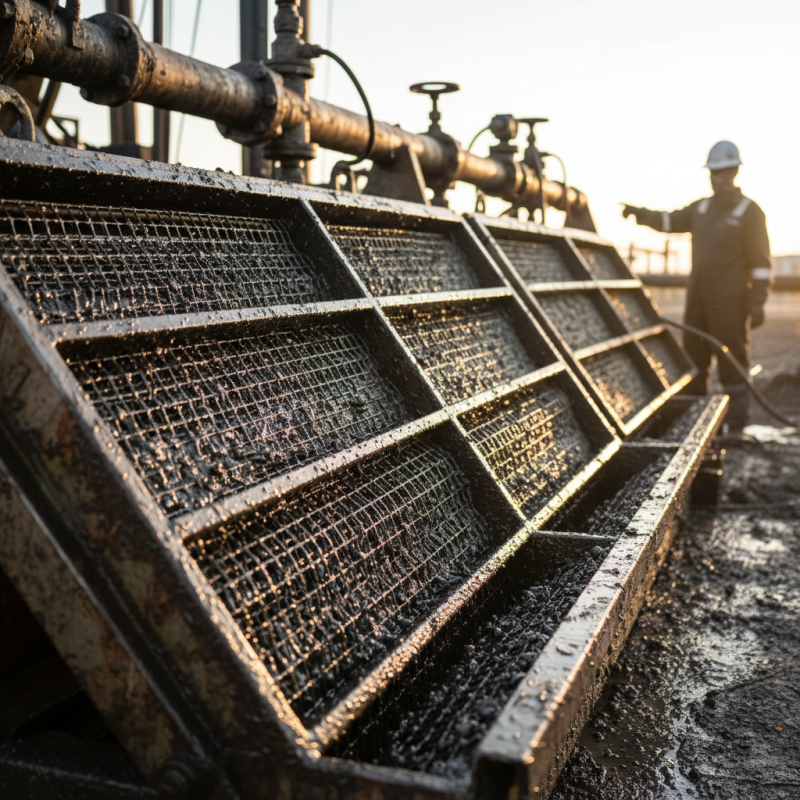
How to Choose the Right Shale Shaker Screen for Your Needs?
Choosing the right shale shaker screen can be challenging. Industry expert John Smith once stated, “Selecting the correct screen can make or break your drilling efficiency.” This emphasizes the importance of making an informed choice.
shale shaker screens are vital for separating solids from drilling fluids. A well-chosen screen enhances the performance of your drilling operation. Factors to consider include mesh size, material, and durability. Too often, users overlook the significance of these details.
Many operators tend to hastily select screens based on price alone. This can lead to unforeseen issues, such as reduced efficiency and increased downtime. It's essential to analyze your specific needs before making a decision. Even minor discrepancies in screen choice can impact overall productivity.
Understanding the Importance of Shale Shaker Screens in Drilling Operations
Shale shaker screens play a vital role in drilling operations. They filter out solids from drilling fluids, ensuring that the fluid can be reused effectively. A clean drilling fluid improves the efficiency of the operation. When the screen is effective, the machinery operates smoothly, reducing downtime.
The selection of the right shale shaker screen is essential. Factors to consider include mesh size and material type. A finer mesh may catch smaller particles, allowing for cleaner fluid. However, it can also restrict fluid flow, which may slow down the operation. On the other hand, a coarser mesh allows for faster fluid flow but may miss smaller contaminants. This balancing act requires careful thought and reflection.
Many operators overlook the importance of screen maintenance. Worn screens can lead to poor performance and increased costs. Regular inspections can prevent these issues. Operators should ask themselves if they are doing enough to keep their screens effective. An underperforming screen can have a ripple effect on the entire drilling process.
Key Factors Influencing the Selection of Shale Shaker Screens
When selecting a shale shaker screen, several key factors come into play. Understanding the well type is crucial. Different formations produce varying amounts of solids. For instance, shale formations often yield fine particles. These screens need a smaller mesh size for effective filtration. According to industry reports, screens with a mesh opening of 100 microns can effectively separate sand from drilling fluids. This fine separation can enhance efficiency during operations.
Another significant consideration is the screen material. Many screens use steel or composite materials. Steel offers durability, while composites can provide better corrosion resistance. Reports indicate that screens made from composite materials can last up to 30% longer than traditional options. However, they might be more expensive upfront. Budget constraints often lead to tough choices.
Finally, operators should evaluate the flow rate. Each shaker screen is designed to handle specific volumes of fluid. According to the American Petroleum Institute, screens should match the expected flow to prevent overload. Screens that are too small can clog, while those that are oversized may not perform as intended. Balancing these factors requires careful thought and sometimes, trial and error. Finding the ideal screen isn't always straightforward; the right choice significantly impacts overall operational efficiency.
Comparing Material Types: Steel vs. Composite Shale Shaker Screens
When selecting a shale shaker screen, choosing between steel and composite materials is crucial. Steel screens are popular for their durability. They handle high-pressure environments well. According to industry reports, steel screens often last longer in heavy-duty applications. However, they can be heavier and may require increased energy for transport and installation.
On the other hand, composite screens provide advantages in terms of weight and cost. These screens are often lighter and easier to install. The same reports indicate that composite materials can reduce operational costs by up to 30%. They also resist corrosion better and perform well in various mud conditions. However, some users report a shorter lifespan compared to steel in extremely abrasive environments.
Reflecting on these choices, it’s evident that both types have unique benefits and drawbacks. Steel’s rigidity may lead to increased downtime during maintenance. Composite materials, while cost-effective, might not withstand the toughest drilling conditions. This means that the choice might depend on specific operational needs and environmental factors. Balancing these aspects is essential for optimizing drilling efficiency and reducing overall costs.
Comparison of Steel vs. Composite Shale Shaker Screens
This chart compares key factors between steel and composite shale shaker screens, including cost, durability, weight, screen life, and maintenance. The values are indicative and help in evaluating which material type may suit your needs better.
Evaluating Mesh Sizes for Optimal Performance in Fluid Separation
Choosing the right mesh size for shale shaker screens is crucial in fluid separation processes. Mesh size directly affects the screen's effectiveness in removing solids from drilling fluids. According to the American Petroleum Institute (API), using the correct mesh screen can reduce solids content by up to 50%. This reduction enhances the overall performance of the drilling operation.
When evaluating mesh sizes, consider the type of solids you are dealing with. Larger mesh sizes may let fine particles through, compromising fluid integrity. For instance, a mesh size of API 40 (which corresponds to 400 microns) can capture more significant drilled cuttings but may not efficiently remove smaller particles. Conversely, a smaller mesh, like API 200, can catch finer solids but may lead to rapid screen blinding.
It's essential to reflect on the operating conditions. If the drilling environment is highly variable, a one-size-fits-all approach can be detrimental. Different formations may require different mesh configurations. It's not just about choosing based on plugging potential; screen durability also plays a vital role. Investing time in mesh size evaluation can lead to improved efficiency and reduced downtime in the long run.
Cost-Effectiveness and Longevity: Choosing Screens Based on Usage Patterns
Choosing the right shale shaker screen involves consideration of cost-effectiveness and longevity. Different usage patterns demand varying screen types. For high-volume drilling, durability is critical. In contrast, low-intensity operations might allow for less robust options.
Understanding usage patterns can greatly affect screen choices. Regular inspections can reveal the condition of the screens. This helps prevent unexpected failures and downtime. Consider the environment too. Harsh conditions can degrade screens faster than anticipated.
It's not just about initial costs. Over time, screens that break easily can lead to increased expenses. Balancing quality and price can be challenging. Sometimes, the cheapest option becomes the most expensive in the long run. Reflect on the actual needs of your operation. What seems cost-effective may not always be the best choice for longevity and performance.
How to Choose the Right Shale Shaker Screen for Your Needs? - Cost-Effectiveness and Longevity: Choosing Screens Based on Usage Patterns
| Screen Type | Typical Applications | Material | Cost-Effectiveness (Cost per Unit) | Expected Lifespan | Recommended Usage Patterns |
| Polyurethane Screen | Water Well Drilling | Polyurethane | $50 | 1-2 Years | Light to Medium Usage |
| Steel Screen | Oil and Gas Drilling | Steel | $70 | 2-3 Years | Heavy Usage |
| Composite Screen | Mineral Processing | Composite Materials | $65 | 1.5-2.5 Years | Moderate Usage |
| Woven Wire Screen | Coal Mining | Wire Mesh | $40 | 1-3 Years | Light to Heavy Usage |



 Distributors
  SDS Download
  Contact