
X

Partner Login

Enter your username and password here on order to log in on the partner portal:

No registered partner yet?

Register now

How to Choose the Best 29inch MTB Electric Bike

Choosing the right 29inch MTB electric bike requires more than comparing motor wattage or battery size. Wheel diameter affects stability, rolling efficiency, and obstacle control on uneven trails. However, a larger wheel is not automatically better. Frame geometry, suspension travel, tire width, motor placement, and rider height must work together.

Industry data shows why this category deserves careful evaluation. CONEBI’s 2024 Bicycle Industry and Market Profile reported more than five million e-bikes sold in Europe during 2023, confirming strong demand for electrically assisted cycling. The European Commission also identifies battery durability, energy efficiency, and product safety as important considerations within its sustainable product policies. Meanwhile, UL Solutions highlights UL 2849 as a key safety standard for electrical systems used in e-bikes. Standards matter. Marketing claims are not enough.

A practical buying decision should begin with the intended terrain. Smooth forest paths may need moderate assistance and dependable hydraulic brakes. Rocky climbs demand controlled torque, durable wheels, and effective suspension. A 500Wh battery can feel adequate on short rides, yet cold weather, steep gradients, rider weight, and tire pressure may reduce its range. Real-world distance is rarely identical to the brochure estimate.

Check the details.

This guide will compare motor behavior, battery capacity, frame fit, component quality, safety certification, and after-sales support. It will also question common assumptions, including the belief that maximum power always improves trail performance. Sometimes, predictable handling is more valuable than raw speed. A carefully chosen 29inch MTB electric bike should feel stable, serviceable, and appropriate for the rider’s actual routes.
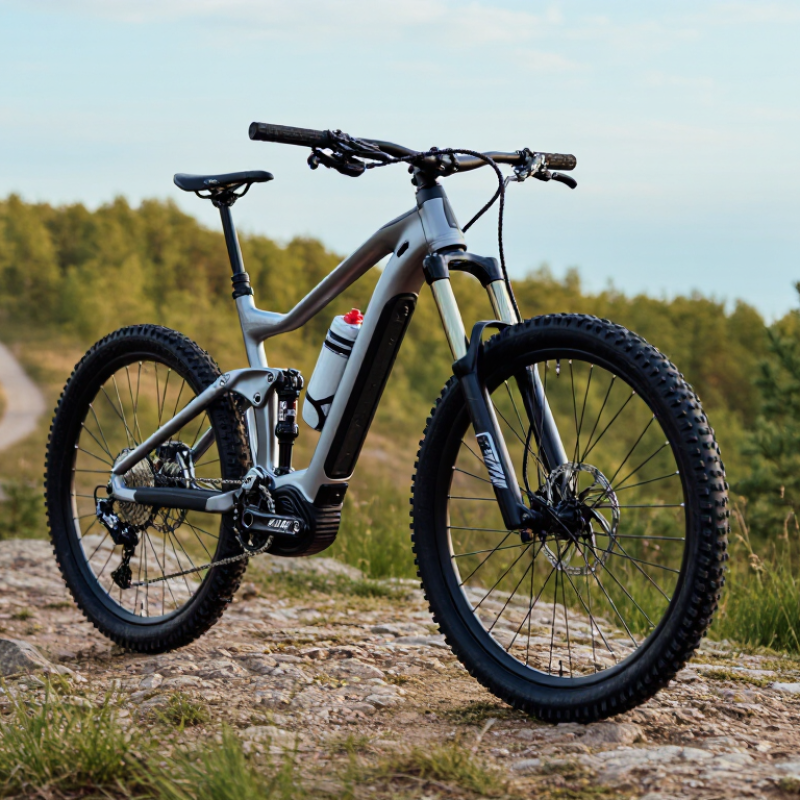
How to Choose the Best 29inch MTB Electric Bike

Define the Key Features of a 29-Inch MTB Electric Bike

A 29-inch mountain electric bike starts with its wheel size, but the number is not the whole story. Larger wheels roll over roots and loose stones smoothly, helping riders maintain momentum on rough climbs. They can feel less nimble in tight switchbacks, especially for shorter riders. I learned this on a rocky trail. The bike stayed stable, yet cornering needed more deliberate body movement. Frame reach, standover clearance, and saddle adjustment should match your height and riding posture.

A capable motor should deliver controllable torque, not simply a high peak figure. A mid-drive system usually keeps weight near the crank, while a hub motor may feel simpler and more predictable. Check pedal-assist levels, torque-sensor response, and whether assistance fades smoothly.

Battery capacity matters on long climbs, but temperature, rider weight, terrain, and tire pressure change real range. Look for secure battery mounting and clear charge information. Range claims can be optimistic. Treat them as estimates.

For trail control, hydraulic disc brakes with suitable rotors provide consistent stopping in wet and dusty conditions. A suspension fork should offer usable travel, rebound adjustment, and a lockout for smoother paths. Wide, tubeless-ready tires can improve grip at lower pressures, reducing harsh impacts and puncture risk.

Do not ignore pedals, grips, lights, and a sturdy chain guide; small contact points shape daily comfort. Before buying, inspect frame welds, cable routing, battery protection, and service access.

I would also test the bike uphill, not only in a showroom. No bike is perfect. That is easy to forget.

Match Motor Power, Battery Range, and Terrain Requirements

How to Choose the Best 29inch MTB Electric Bike

Motor power should match the trail, not just the sales specification. A 250-watt continuous motor follows the common European EPAC limit under EN 15194, but steep, loose climbs may require stronger torque assistance. The European Cyclists’ Federation reports that e-bikes typically use about 6–15 Wh per kilometre, depending on weight, speed, and terrain. A 500 Wh battery may therefore cover 33–83 kilometres. That range is only an estimate.

For rocky climbs and frequent elevation changes, choose a motor with at least 60 Nm of torque and a battery above 500 Wh. Flat forest paths need less power and may benefit from a lighter frame. Twenty-nine-inch wheels roll smoothly over roots, but they can feel slower during tight turns. Check tyre width and tread carefully. Mud changes everything.

Real riding tests matter more than laboratory claims. The European Environment Agency’s 2024 transport analysis highlights how slope, weather, and travel conditions affect cycling energy use. My first range estimate was too optimistic on wet hills. I would now reserve 20–30% battery capacity for wind, cold temperatures, and unexpected detours. Rider weight also matters. A 29inch MTB with a powerful motor can still feel inefficient if the battery is small or poorly managed. Check local power and speed requirements before buying.

Compare Frame Design, Suspension, Brakes, and Wheel Performance

How to Choose the Best 29inch MTB Electric Bike

A 29-inch electric mountain bike needs a frame that balances stability and control. Look for a moderate reach, a low standover height, and a head angle near 64–67 degrees for trail use. A sturdy aluminum frame can handle motor torque, but excessive weight makes tight climbs unpleasant. The Light Electric Vehicle Association reported over one million e-bikes sold in the United States during 2022. That growth makes honest component comparison more important. Numbers alone do not guarantee a comfortable ride.

Suspension changes the bike’s behavior dramatically. For mixed trails, 120–140 millimeters of front travel usually offers useful control without excessive climbing loss. Full suspension improves grip on roots, but it adds weight and maintenance. I once preferred maximum travel and regretted it on long fire-road climbs. A lockout helps, though some systems feel harsh when locked. Test the fork’s compression response with your riding weight, not showroom pressure.

Brakes deserve careful attention. Hydraulic disc brakes with 180-millimeter rotors suit many trail riders, while heavier riders may benefit from larger rotors and four-piston calipers. The Bicycle Product Suppliers Association’s industry reporting repeatedly identifies safety components as key purchasing concerns, not decorative upgrades. Wheel performance is equally practical. A 29-inch rim has about 6.5% greater diameter than a 27.5-inch rim, helping it roll over square edges more smoothly. Choose tires with reinforced sidewalls and a tread matching local soil. Wide tires can improve grip, but they also increase rolling resistance. I still question whether every rider needs the widest option.

Evaluate Fit, Riding Comfort, Safety, and Maintenance Needs

A 29-inch electric mountain bike can feel steady on rough trails, but its large wheels may not suit every rider. Check the frame size and standover height before focusing on wheel size. With both feet on the ground, you should have comfortable clearance above the top tube. Reach to the handlebar matters too: stretched shoulders can become tiring on longer rides. Take a test ride if possible. A short loop can reveal more than a list of specifications.

Comfort depends on more than the saddle. Adjust the seat so your knee stays slightly bent at the bottom of a pedal stroke, then check whether the handlebar position feels natural. Wider tires can soften small bumps, though pressure needs to match your weight and terrain. Start with the maker’s recommended range and adjust in small steps. It takes patience. I once assumed a plush saddle would fix every ache; it did not, and my riding position needed attention.

Before riding, inspect the brakes, tire condition, and wheel attachment. Test braking at low speed, especially after transporting the bike or changing a wheel. On descents, keep your speed manageable and leave room to stop. Electric assistance adds weight, so lifting or maneuvering the bike may take more effort. For upkeep, clean grit from the drivetrain and check tire pressure regularly. Follow the manual for battery care and service intervals. A simple log helps, though I sometimes forget to update mine. Notice unusual noises early, and ask a qualified mechanic to inspect persistent problems.

How to Choose the Best 29inch MTB Electric Bike - Evaluate Fit, Riding Comfort, Safety, and Maintenance Needs

Evaluation area What to check Practical guidance Why it matters
Frame fit Frame size, reach, standover clearance, and seatpost adjustment Use the maker’s size chart as a starting point, then test the bike in person if possible. Check that you can stand over the frame comfortably and reach the handlebars without stretching. A 29-inch wheel size does not determine frame fit; riders of the same height can prefer different frame geometries.
Wheel and tire setup Tire width, tread, casing, and clearance at the frame and fork A 29-inch MTB wheel commonly uses a 622 mm bead-seat-diameter rim. Choose tread and tire width for your terrain, and confirm the frame and fork support the tire size. Tires influence grip, rolling resistance, comfort, and clearance; “29 inch” alone does not specify tire width.
Riding comfort Suspension type and travel, saddle comfort, handlebar position, and grip Match suspension to the trails you ride. Set sag and rebound according to the suspension maker’s instructions, and make sure the cockpit allows a relaxed, controlled posture. Correct setup can reduce harsh impacts and improve control; more suspension travel is not automatically better for every rider or route.
Motor and assistance Assistance modes, delivery smoothness, controls, and local e-bike rules Test how smoothly assistance starts and changes, especially at low speed. Check the bike’s classification, permitted use, and applicable local speed and power regulations before riding. Predictable assistance supports better control, while legal requirements vary by location and e-bike category.
Battery and range Battery capacity in watt-hours (Wh), charging instructions, and availability of replacement batteries Compare capacity with your planned ride length, but treat advertised range as an estimate. Terrain, rider and cargo weight, temperature, assist level, and tire pressure all affect range. A larger capacity may support longer rides, but real-world range depends on conditions and usage.
Braking and visibility Brake type and condition, rotor size, brake-lever reach, lights, and reflectors Check that both brakes engage reliably and can be comfortably reached. Inspect pads and rotors regularly, and use suitable lights and reflective gear when visibility is low. An e-MTB can be heavier and travel faster than a non-electric bike, making dependable braking and visibility especially important.
Handling and weight Overall weight, balance, low-speed handling, and ease of lifting or transporting Test starts, turns, and stops at low speed. Consider whether you can manage the bike on stairs, in storage, or on your vehicle rack; check the rack’s load limit. Weight and balance affect maneuverability and practical handling when the motor is not providing assistance.
Routine maintenance Chain, drivetrain, tires, fasteners, suspension, and electrical connections Keep the drivetrain clean and lubricated, check tire pressure before rides, inspect brakes and fasteners, and follow the service schedule. Clean electrical areas gently and follow the manual’s washing guidance. Regular checks help identify wear or loose components early and can reduce avoidable repairs.
Battery care Charging, storage temperature, and signs of damage Use the supplied or approved charger and follow the battery manual. Store the battery in a dry place within the recommended temperature range; stop using a battery that is swollen, leaking, or unusually hot. Following the manufacturer’s charging and storage instructions supports safe operation and battery longevity.
Service and support Warranty terms, repair options, spare parts, and access to qualified e-bike service Before buying, ask how electrical faults are diagnosed, which parts are replaceable, and where routine service can be performed. Reliable service access can make repairs and long-term ownership more manageable.

Select the Best Value Based on Budget and Intended Use

Choosing the best 29-inch MTB electric bike starts with your riding plans, not its flashiest specifications. Large wheels roll smoothly over roots, loose gravel, and shallow ruts. However, they can feel less agile on narrow, technical trails. I recommend matching the bike to your usual terrain and weekly distance. A 500Wh battery may suit weekend trail rides, while longer commutes could require more capacity. Remember, battery range changes with rider weight, hills, tire pressure, temperature, and assist level.

Budget should include essential equipment, not only the bike. Hydraulic disc brakes, a reliable suspension fork, and a sturdy frame improve control and reduce future repair costs. Check the motor’s torque rating for steep climbs, but do not select maximum power automatically. It may add weight and consume energy faster. During testing, I compare climbing, braking, and handling with a loaded backpack. I once underestimated frame weight, and carrying the bike upstairs became frustrating. That mistake changed how I judge value.

Tips: Set aside money for a helmet, lights, lock, spare tubes, and regular servicing. Test the riding position before purchasing. Your wrists should not carry excessive pressure. Ask about battery replacement costs and warranty coverage. Check whether local service technicians can support the electrical system. A cheaper bike can become expensive when parts are difficult to find. Keep tire pressure suitable for your terrain, then record how the bike feels. Small adjustments often reveal more than impressive sales figures.

How to Choose the Best 29-inch MTB Electric Bike

Select the best value based on budget and intended use

The chart compares practical assisted-range benchmarks for common 29-inch MTB electric bike configurations. Entry-level models suit light trails and recreational riding, mid-range models balance commuting with regular off-road use, while higher-budget setups provide larger batteries and more capability for steep or technical terrain. Actual range depends on rider weight, tire pressure, temperature, elevation, assist level, and trail conditions.