Why Choose the Right Safety Harness for Your Needs?
Choosing the right Safety Harness is crucial for your protection. A safety harness is your lifeline in various high-risk work environments. It ensures you remain safe while performing tasks at heights. Using the wrong harness can lead to serious injuries.
Selecting a harness requires understanding your specific needs. Different jobs demand different types of safety harnesses. For instance, construction work often requires a full-body harness, while other tasks may need more specialized options. Manufacturers provide a range of choices; however, not all harnesses are created equal.
Many workers may overlook the importance of fit and comfort. A harness that does not fit well can impede your movement. It might even lead to accidents. Always consider the features that enhance safety. Take time to research credible sources. Prioritize recommendations from experienced professionals. A reliable safety harness can save lives and improve your efficiency at work.
Understanding the Importance of Safety Harnesses in Various Industries
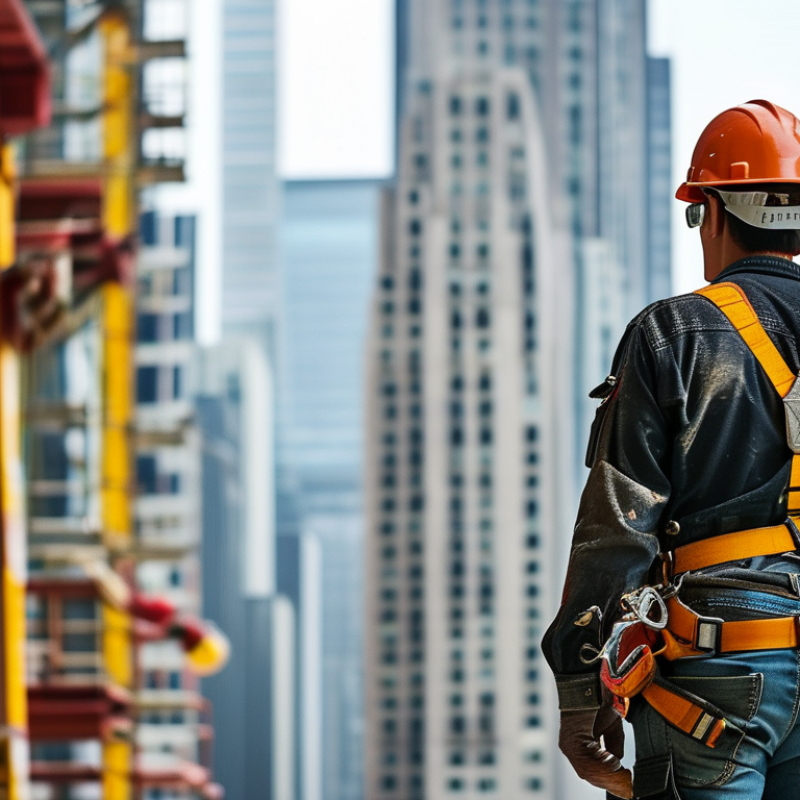
In various industries, safety harnesses play a crucial role in protecting workers from falls and injuries. Construction sites, warehouses, and even industrial settings often expose employees to hazards. A reliable safety harness helps ensure that team members remain secure while working at heights or near dangerous machinery. Choosing the right harness can significantly reduce the risk of accidents.
Tips for selecting a safety harness: Assess the specific job conditions. Determine whether users need additional features like a dorsal D-ring for fall protection or extra padding for comfort. Consider how often the harness will be used and its weight capacity. Consult industry standards for safety to ensure compliance.
Reflecting on past incidents, it's clear that many injuries could have been avoided with proper equipment. Some workers may overlook the importance of routine inspections. Regular checks can identify wear and tear, preventing potential failures. Investing time in safety training is essential but often neglected. Employers and employees must prioritize safety harness selection to foster a culture of safety in the workplace.
Importance of Safety Harnesses in Various Industries
Identifying Different Types of Safety Harnesses and Their Features
Choosing the right safety harness requires understanding the various types available. Each harness serves unique purposes. For example, a full-body harness is ideal for work at heights. It distributes forces across the body, reducing injury risk. On the other hand, a seat harness is suitable for confined spaces.
Consider the features when selecting a harness. Look for adjustable straps to ensure a snug fit. A breathable material enhances comfort during extended wear. Reflective elements increase visibility in low-light conditions.
Tips: Always test the harness before use. Check for frayed straps or damaged buckles. Educate yourself about proper fitting techniques. Taking these steps can enhance safety.
Reviewing the conditions of your work environment can impact harness selection. Factors like elevation, duration of use, and potential hazards matter. Each worksite may require different features. This approach ensures that you are well-protected while working.
Factors to Consider When Choosing a Safety Harness for Specific Tasks
Choosing the right safety harness is crucial for specific tasks. The fit of the harness plays a vital role in how effectively it protects you. A well-fitted harness distributes weight evenly. This ensures comfort and minimizes fatigue during prolonged use. Adjust the straps appropriately to secure it against your body without being too tight. Users often overlook this aspect, leading to potential hazards during work.
Consider the work environment. For tasks at height, a full-body harness is often necessary. It provides better support and prevents falls. In contrast, a relatively simple design may suffice for ground-level jobs. Material type also matters—look for durable options that handle wear and tear. However, remember that heavier materials can restrict movement.
Lastly, assess the specific requirements of your job. Are there additional tools or attachments needed? Make sure the harness can accommodate them. Some people tend to skip this, thinking any harness will do. Reflect on your choices. Safety should never be an afterthought; it is a priority. Choose wisely.
Why Choose the Right Safety Harness for Your Needs? - Factors to Consider When Choosing a Safety Harness for Specific Tasks
| Factor | Description | Recommended Use |
| Material | The type of fabric and webbing used, impacting durability and comfort. | Construction, maintenance work. |
| Weight Capacity | The maximum weight the harness can safely support. | Heavy lifting, roofing. |
| Type of Work | Different harnesses are suited for specific tasks, such as fall protection or rescue. | High-altitude work, emergency services. |
| Fit and Comfort | The harness should fit well and be comfortable to wear for extended periods. | General labor, construction. |
| Adjustability | The ability to adjust the harness for a secure and personalized fit. | Varied body types in a workforce. |
| Compliance | Ensures the harness meets safety standards and regulations. | All industrial and construction tasks. |
Evaluating Comfort and Fit for Optimal Safety Harness Usage
Choosing the right safety harness greatly impacts your comfort and security. A harness that fits well allows for ease of movement. When it's too loose or too tight, your safety becomes compromised. Proper fitting can make all the difference during prolonged tasks at height.
Consider how the harness interacts with your body. Padding in key areas enhances comfort. The materials used should wick moisture away. If you’re climbing or working in any active environment, discomfort can distract you, increasing the risk of accidents. Regular checks on the harness can reveal signs of wear and tear that may not be immediately visible.
Testing different harnesses in real conditions is essential. Every individual has unique needs based on their body shape and the work involved. Pay attention to how you feel during and after use. Reflect on any pressure points you notice. These insights help refine your choice. Safety is critical, but comfort shouldn't be overlooked.
Maintenance and Inspection Tips for Ensuring Safety Harness Effectiveness
Safety harnesses are crucial in many industries, yet their effectiveness largely depends on proper maintenance and inspection. According to the Occupational Safety and Health Administration (OSHA), improper use of harnesses can lead to serious injuries. Regular inspections can reduce these risks significantly.
Workers should inspect harnesses before every use. This includes checking for signs of wear, such as frays or tears. A study from the National Institute for Occupational Safety and Health (NIOSH) found that 30% of harness failures were due to lack of proper maintenance. The inspection process should be thorough, covering all components, including lanyards and buckles.
After inspections, it is essential to document findings. If any issue arises, the harness should be removed from service. Employers should train team members on how to recognize potential hazards. A well-maintained harness can save lives. Neglecting its upkeep can lead to tragic, avoidable accidents. Always prioritize safety.



 Distributors
  SDS Download
  Contact