What is an Electric Water Heater and How Does it Work?
Electric Water Heaters play a crucial role in modern households. They offer convenience for home heating needs. According to the U.S. Energy Information Administration, around 65% of American homes utilize electric water heaters, highlighting their widespread use and importance. Industry expert Dr. Lucy Hawthorne states, "The efficiency and reliability of electric water heaters make them a popular choice for families." Her insights emphasize the value these appliances bring to daily life.
These heaters typically use electric resistors to heat water. The process may seem simple, yet it requires precise engineering to ensure efficiency and safety. A common point of confusion arises when consumers consider energy consumption. While electric water heaters may have higher upfront costs, they can save money over time through energy efficiency. Many find it hard to grasp how usage patterns affect overall costs.
It's important to recognize that not all electric water heaters are created equal. Variations in size, brand, and technology can significantly impact performance. Some homeowners may experience inconsistent heating or costly energy bills due to improper selection. As technology advances, consumers must stay informed and reconsider their choices. Choosing the right electric water heater can lead to better efficiency and comfort in the home.
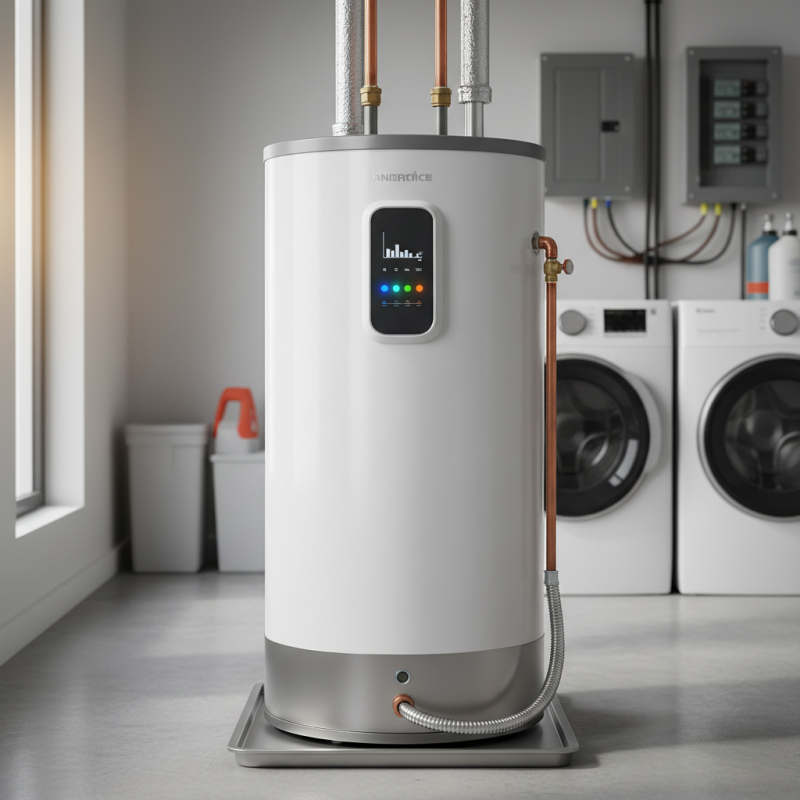
What is an Electric Water Heater? Overview and Definition
An electric water heater is a device that heats water using electrical energy. Typically found in homes, it provides hot water for various needs, such as showers and dishwashing. The heater consists of a tank and heating elements. The tank stores water, while the heating elements increase its temperature when needed.
Electric water heaters vary in size and design. The most common types are tank-type and tankless. Tank-type models hold a specific volume of water, ensuring a steady supply. Tankless models heat water on demand, saving energy. Choosing the right type can depend on your household size and hot water needs.
**Tips:** When selecting an electric water heater, consider your family's hot water usage. Compact spaces may benefit from a tankless model. Maintenance is crucial. Regularly check for sediment buildup and leaks. This can extend the life of your unit. Don't overlook the importance of choosing the right capacity. An undersized unit can lead to cold surprises during peak usage times.
What is an Electric Water Heater and How Does it Work?
| Feature | Description | Benefits |
| Heating Element | A metal coil that heats water when electricity passes through it. | Efficient heating of water with quick response time. |
| Temperature Control | Thermostat regulates the water temperature for user comfort. | Consistent water temperature for bathing and cleaning. |
| Tank Capacity | Common sizes range from 20 to 80 gallons. | Adequate supply of hot water for household needs. |
| Energy Efficiency | Use of insulation and advanced heating technology. | Lower energy bills and reduced environmental impact. |
| Safety Features | Includes pressure release valves and temperature monitoring. | Prevents overheating and potential hazards. |
Key Components of Electric Water Heaters: From Heating Elements to Thermostats
Electric water heaters are essential appliances used in many households. They utilize electricity to heat water, providing hot water for various needs. Understanding their key components can help you maintain and troubleshoot.
Heating elements are crucial. They are typically made of copper or stainless steel and are responsible for warming the water. These elements can fail over time due to mineral buildup. Regular inspection can prevent unexpected cold showers.
Thermostats regulate water temperature. They ensure the water is heated to the set level. A malfunctioning thermostat can lead to inconsistent temperatures. Consider checking it if your water is too hot or cold.
Tips: Flushing your water heater annually can increase efficiency. Keep the area around your heater clear. This practice can enhance safety. Always consult a professional for repairs to avoid further issues. A small investment in maintenance can save money in the long run.
How Electric Water Heaters Operate: Step-by-Step Mechanism Explained
Electric water heaters are essential devices for providing hot water in homes and businesses. Their operation is based on a straightforward mechanism that involves several key components. When the thermostat detects a drop in water temperature, it activates the heating elements. These elements, usually located at the bottom and top of the tank, generate heat that warms the water.
As the heating process begins, cold water enters the tank through the dip tube. This cold water is heated as it rises through the tank. Hot water accumulates at the top, ready for use. Safety features, like the temperature and pressure relief valve, ensure the unit operates safely. Yet, many users overlook routine maintenance, which can lead to inefficiency or even hazards.
The entire system relies on electrical energy. While it is efficient, it can lead to higher utility bills if not monitored properly. Regular checks can help detect any issues early. For instance, sediment buildup in the tank can affect performance. Awareness and understanding of how electric water heaters operate can aid in better maintenance and improved longevity.
Efficiency Ratings: Understanding the Energy Factor (EF) in Water Heating
When choosing an electric water heater, understanding efficiency ratings is essential. The Energy Factor (EF) is a crucial metric in evaluating a heater's efficiency. It measures the amount of hot water produced per unit of fuel consumed. A higher EF indicates better efficiency. For electric water heaters, the EF typically ranges from 0.75 to 0.95, meaning some units waste significant energy.
The U.S. Department of Energy reports that water heating accounts for about 18% of a household’s energy consumption. Therefore, selecting a model with a high EF can lead to notable savings on energy bills. However, it’s also important to consider the initial installation costs, which can vary significantly among models. Some units with higher EF ratings may have a more significant upfront cost, which could be a concern for many homeowners.
Tips: Always compare the EF ratings of different models. A small investment in efficiency can lead to long-term savings. Keep in mind that location and water quality can also affect performance. Regular maintenance is vital for sustaining efficiency over time. Be aware that older models may have declining EF ratings due to age and wear. Researching and consulting a professional can help resolve these issues effectively.
Common Applications and Usage Statistics of Electric Water Heaters in Homes
Electric water heaters are increasingly common in residential settings. According to the U.S. Energy Information Administration, approximately 63% of U.S. households rely on electric water heaters. This widespread use highlights their importance in daily life.
In many homes, electric water heaters serve multiple functions. They supply hot water for showers, dishwashing, and laundry. In fact, hot water usage accounts for about 20% of residential energy consumption. Despite their efficiency, not all units perform optimally. Factors like age and maintenance can affect their effectiveness. According to a recent study, around 25% of electric water heaters are over ten years old, leading to potential energy wastage.
Families often overlook the need for regular maintenance. This can result in reduced performance and higher utility bills. It's crucial to check for sediment buildup and leaking tanks. Doing so can enhance efficiency and prolong the unit's lifespan. While electric water heaters may offer convenience, homeowners need to prioritize proper care to maximize their benefits.



 Distributors
  SDS Download
  Contact