Top 10 Outdoor Isolator Switches for Global Buyers?
Choosing an Outdoor Isolator Switch is not a simple catalogue exercise for global buyers. A reliable unit must withstand rain, dust, ultraviolet exposure, temperature changes, and frequent maintenance. This guide examines ten practical options for different installation environments and purchasing priorities. The comparison considers enclosure ratings, pole configurations, operating mechanisms, terminal access, certifications, and supplier support. Small details matter. A stiff handle or poorly sealed cable gland can turn routine isolation into a frustrating site problem.
From field observations, installers often judge a switch by more than its current rating. They check whether the housing remains secure after repeated operation. They inspect screw quality, cable space, labels, and wiring diagram clarity. These checks reveal manufacturing discipline. However, product data may be incomplete, inconsistent, or difficult to compare across regions. That limitation deserves attention. A listed certification does not automatically prove suitability for every climate, voltage system, or mounting method. Buyers should verify local requirements with qualified electrical professionals before ordering.
The ten products below are assessed through a buyer-focused lens rather than a purely promotional one. Each entry highlights practical strengths, possible compromises, and questions worth asking suppliers. Expect differences in weather resistance, switching capacity, installation speed, and long-term serviceability. No single Outdoor Isolator Switch fits every project. A coastal rooftop, farm pump, and industrial enclosure need different protection. Prices also vary with quantity, accessories, testing, and delivery terms. Use this overview as a disciplined starting point, not final approval. One overlooked seal can matter more than an attractive specification sheet.
What Is an Outdoor Isolator Switch and Why Is It Used?
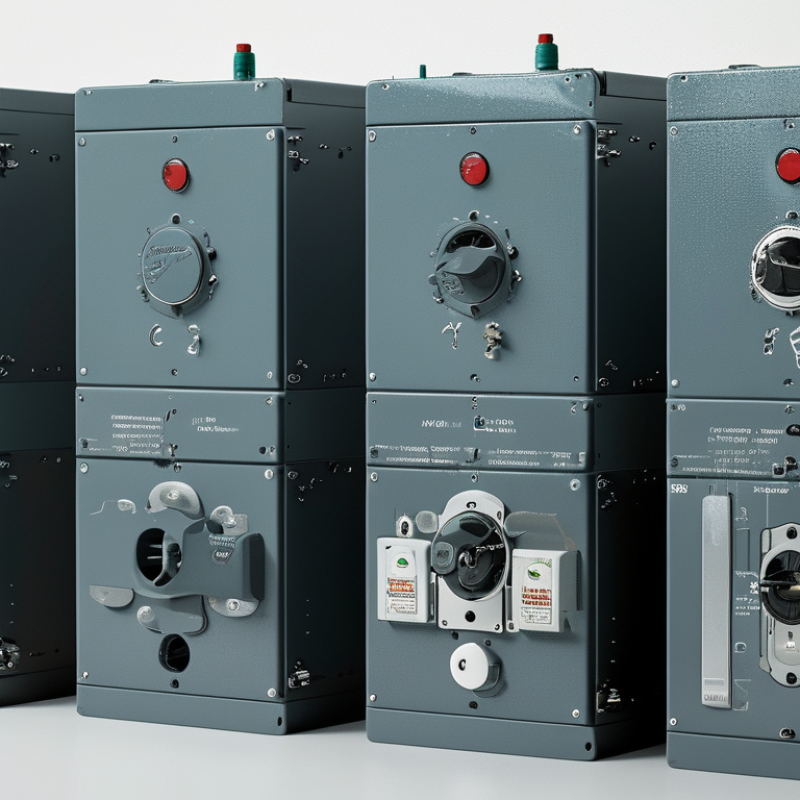
An outdoor isolator switch is a manually operated device that disconnects electrical equipment from its power source. It creates a clear separation for inspection, repair, or emergency work. Unlike a circuit breaker, it is not mainly designed to interrupt fault current. Its purpose is controlled isolation. Many models use a lockable handle and a weather-resistant enclosure. This helps prevent accidental reconnection near pumps, solar systems, air-conditioning units, and outdoor machinery. Safety comes first.
Tips: Check the rated voltage, current, number of poles, and enclosure protection level. UV exposure, rain, dust, salt air, and temperature changes can weaken unsuitable materials. Confirm cable entry sizes and mounting space before ordering. A qualified electrician should verify installation requirements and local standards. Small details matter.
For global buyers, reliable selection requires more than comparing price and appearance. Look for durable contacts, clear ON/OFF markings, secure terminals, and corrosion-resistant hardware. The enclosure should remain sealed after cable installation, not only during factory testing. Inspection reports often reveal a common mistake: buyers choose a high current rating but ignore switching duty and environmental conditions. That choice may create heat, moisture, or premature wear. It is also wise to request test documents, installation instructions, and traceable production information. Some assumptions will be wrong. Recheck them before shipment.
Which Types of Outdoor Isolator Switches Suit Different Applications?
Choosing among the top 10 outdoor isolator switches depends on the application, not only the current rating. For rooftop solar arrays, a DC isolator with visible contacts, arc-control design, and UV-resistant housing suits frequent maintenance. IRENA’s Renewable Capacity Statistics 2024 recorded 346 GW of new solar capacity in 2023. That expansion increases the need for safe, accessible DC isolation near inverters and array sections. Fit matters more.
Industrial substations usually need load-break isolators rated under IEC 60947-3, with clear position indicators and padlockable handles. Fused isolators suit remote feeders where short-circuit protection is required. Motorized versions can support utility automation, but they require reliable control wiring and weather-sealed cabinets. In coastal sites, stainless-steel hardware, breathable drains, and corrosion-resistant terminals are practical choices. Agricultural installations need dust protection and strong mechanical covers. IP66 may help, but it does not prove long-term salt resistance. This is where buyers often over-specify one feature and miss the enclosure material. The IEA’s Renewables 2024 report noted nearly 510 GW of renewable capacity additions worldwide in 2023, showing how varied outdoor electrical environments have become. Field checks should still confirm voltage, fault current, switching duty, ambient temperature, and access clearance before procurement.
Top 10 Outdoor Isolator Switches for Global Buyers? - Which Types of Outdoor Isolator Switches Suit Different Applications?
The chart compares representative nominal voltage classes commonly associated with outdoor isolator switch applications. Low-voltage types are often used for photovoltaic, motor, building, and agricultural systems, while medium- and high-voltage designs serve utility distribution and transmission networks.
Voltage classes are representative industry values rather than product rankings. Final selection should also consider AC or DC operation, rated current, short-circuit withstand, load-breaking capability, enclosure protection, altitude, pollution level, and local standards.
How to Compare the Top 10 Outdoor Isolator Switches
Comparing the top 10 outdoor isolator switches requires more than checking price and appearance.
IRENA’s Renewable Capacity Statistics 2024 reported 1,419 GW of global solar capacity by the end of 2023. That scale increases demand for dependable DC isolation near panels, inverters, and battery systems.
Begin with rated voltage, current, and switching category. A switch designed for AC may fail in a DC application because the arc behaves differently. Check compliance with IEC 60947-3 and confirm whether the stated rating covers the complete operating voltage.
Outdoor exposure changes the comparison. Look for an IP rating verified under IEC 60529, UV-resistant housing, corrosion protection, and a practical temperature range. IP66 may resist heavy water jets, but it does not automatically prove long-term sunlight durability.
Small details matter. Cable glands should grip firmly. Terminals should remain accessible without stressing conductors. I have seen neat enclosures with weak hinges and unclear labels. That is a useful warning.
Compare mechanical endurance, electrical endurance, lockout capability, and visible isolation. For photovoltaic projects, review polarity, load-breaking performance, and installation distance from the inverter.
The Global Solar Power Tracker and IEA PVPS reports also show continued utility-scale expansion, yet product sheets can still omit field-test conditions.
Ask for test certificates, derating curves, and enclosure-aging evidence. A lower-cost option may win initially, but replacement labor can quickly change the calculation.
How to Select, Install, and Maintain an Outdoor Isolator Switch
Selecting an outdoor isolator switch starts with the environment, not the catalogue ranking.
For a top-ten shortlist, check rated voltage, current, short-circuit capacity, IP rating, UV resistance, and switching category. IEC 60947-3 provides the relevant framework for low-voltage switch-disconnectors. The enclosure should match local dust, rain, salt, and temperature conditions. A rooftop installation needs different protection from a sheltered industrial wall.
The IEA Renewables 2024 report recorded 473 GW of renewable capacity added globally in 2023. Solar power represented about three-quarters of that growth. This expansion increases the need for dependable outdoor isolation near inverters and battery equipment.
During installation, keep cable entries downward where possible. Use correctly sized glands, tighten terminals to the manufacturer’s torque, and leave clear operating space. Test isolation before energising the circuit. A label exposed to sunlight may fade sooner than expected.
Maintenance should include visual checks, terminal retightening, seal inspection, and mechanical operation testing. Infrared scanning can reveal abnormal heating before visible damage appears. IEC 60364 recommends verification of electrical installations, but paperwork alone cannot confirm a healthy switch. Field teams sometimes overlook condensation inside sealed enclosures. That mistake is easy to repeat. Maintenance intervals should reflect climate, switching frequency, and dust exposure, rather than a fixed calendar. Record test results, photographs, and replacement dates for reliable future decisions.



 Distributors
  SDS Download
  Contact