Top 10 Types of Quick Coupling Connectors?
Choosing the right Quick Coupling Connector can prevent leaks, pressure loss, and unnecessary maintenance delays. These components join fluid or gas lines without requiring complicated tools. Yet, connector selection is rarely as simple as matching thread size.
This guide examines the top 10 types of quick coupling connectors used in hydraulic, pneumatic, fuel, water, and industrial systems. Each type has different strengths. Flat-face couplings help reduce contamination during connection. Poppet couplings support reliable fluid transfer under demanding conditions. Cam-and-groove couplings offer fast handling for larger hoses. Dry-break designs limit spills when lines must disconnect frequently.
Small details matter. Check operating pressure, temperature, media compatibility, flow requirements, and connection frequency. A coupling that works well with clean water may fail with aggressive chemicals or abrasive fluids. Thread standards also deserve attention. NPT, BSP, metric, and other profiles are not automatically interchangeable.
No connector is perfect. A highly secure design may connect more slowly. A compact model may restrict flow. Some low-cost options look practical but wear quickly in harsh environments. This article compares each type using practical selection criteria, common applications, maintenance concerns, and potential limitations. The goal is not to promote one universal solution. It is to help engineers, technicians, and buyers make safer decisions based on actual system conditions.
Inspect the seal. Confirm the rating. Test before full operation.
Quick Coupling Connectors: Definition, Structure, and Operating Principles
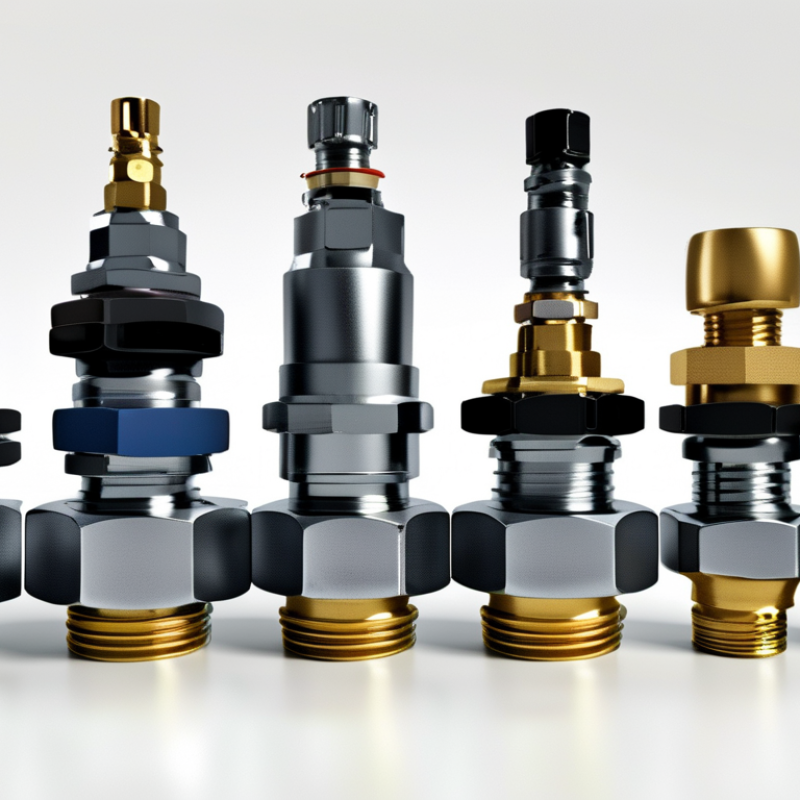
Quick coupling connectors join fluid lines without requiring tools for every connection. They are common in hydraulic, pneumatic, chemical, and cooling systems. A typical coupling contains a body, plug, socket, valve, locking sleeve, seal, and retaining mechanism. These parts must align accurately. Small damage can cause leakage or difficult disconnection.
The ten common types include
hydraulic pneumatic flat-face screw-to-connect push-to-connect cam-and-groove quick-disconnect dry-break thermoplastic multi-coupling connectors
Each design suits different pressure, temperature, cleanliness, and service requirements. For example, flat-face couplings reduce air entry during connection. Dry-break models limit fluid loss when lines separate. Push-to-connect designs save time, but they may be unsuitable for severe vibration.
Their operating principle is straightforward. The plug enters the socket, moving an internal valve or locking sleeve. When fully engaged, the valves open and create a continuous flow path. Ball locks, threads, or latches hold the connection under working pressure. Disconnecting reverses this action and closes the valves, when the design supports automatic shutoff.
In field maintenance, I check pressure release, seal condition, alignment, and contamination before coupling. A clean connection matters more than many users expect. I have also seen operators force mismatched parts, assuming similar sizes are compatible. That assumption fails. Thread form, sealing material, flow direction, and pressure rating must all match the system. Selection charts help, but actual operating conditions still deserve a careful review.
The Main Classification Standards for Quick Coupling Connectors
Top 10 Types of Quick Coupling Connectors
Quick coupling connectors are classified by more than their names. In practical selection, engineers examine connection method, flow path, pressure rating, and working medium. Push-to-connect, screw-to-connect, cam-lock, and bayonet couplings use different locking principles. Each suits a different operating condition.
Valve design creates another important classification standard. Single-shutoff couplings limit fluid loss on one side. Double-shutoff versions close both sides during separation. Flat-face couplings reduce trapped air and surface contamination. Dry-break designs control leakage more carefully, especially during frequent maintenance. These details matter near a machine with hot oil, compressed air, or cleaning fluid.
Connection size and interface shape also separate the top ten types. Hydraulic couplings often follow recognized dimensional standards, while pneumatic fittings may use tube-based systems. Thread forms, flange patterns, and interchangeable profiles must match exactly. Pressure and temperature ratings should be checked separately, not assumed from size alone. Stainless steel, plated steel, brass, and engineered polymers provide different corrosion and weight advantages. Material compatibility is easy to overlook. It should not be. A coupling may pass a pressure test yet fail after months of chemical exposure. Field technicians also consider hose movement, glove use, dust, and available clearance. A neat classification chart can still mislead. Real installations often need two standards checked together: interface compatibility and service performance.
Top 10 Types of Quick Coupling Connectors
Classification by connection mechanism, valve design, and typical nominal bore range
The chart compares representative nominal bore ranges commonly found in standardized quick-coupling families. Ball-lock, sleeve-lock, screw-to-connect, and flat-face couplings are widely used in hydraulic systems. Push-to-connect and bayonet designs are common in pneumatic and low-pressure service, while cam-and-groove, dry-break, and breakaway couplings are selected for fluid transfer, spill reduction, or emergency line separation. Actual sizes and pressure ratings vary by standard, configuration, material, and application.
Ten Common Types of Quick Coupling Connectors and Their Characteristics
Ten Common Types of Quick Coupling Connectors and Their Characteristics
Quick coupling connectors save time during hose, tube, and equipment changes. In field maintenance, the right profile often prevents leaks and damaged threads. Hydraulic couplings handle high pressure and repeated connection cycles. Pneumatic couplings suit compressed air lines and usually offer lighter operation. Push-to-connect couplings lock quickly, but they need clean, correctly sized tubing. Screw-to-connect couplings resist vibration and accidental separation. Flat-face couplings limit fluid loss and reduce contamination when disconnected.
Cam-and-groove couplings connect hoses without tools, making them useful for temporary transfer systems. Dry-break couplings use internal valves to reduce spills during separation. ISO 7241-A couplings provide broad hydraulic compatibility, while ISO 7241-B versions often support different flow and connection preferences. Electrical quick connectors transfer signals or power and require careful attention to pin layout, sealing, and contact protection. Some designs combine fluid and electrical paths, but installation becomes less forgiving. I still recheck clearance around every connector; a strong coupling can fail when the hose bends sharply.
Tips: Match pressure, temperature, fluid, flow rate, and material before selection. Check the seal compound against the working medium. Keep caps fitted during storage. Clean both halves before connection. A coupling that feels smooth is not automatically safe. Inspect for scratches, flattened seals, and difficult locking. Small details matter. Test the assembly slowly, because early leaks are easier to correct than hidden damage.
How to Select the Right Quick Coupling Connector for Each Application
Selecting the right quick coupling connector starts with the application, not the connector name. Common options include hydraulic, pneumatic, flat-face, threaded, cam-and-groove, dry-break, high-flow, instrument, thermoplastic, and electrical couplings. Each type solves a different problem. Pressure, flow rate, fluid, temperature, and connection frequency should guide the decision.
Hydraulic systems often need steel or stainless-steel couplings with strong pressure resistance. Pneumatic lines usually benefit from lightweight couplings with low air restriction. Flat-face designs help reduce fluid loss and contamination during repeated connections. Dry-break couplings suit applications where spills create safety or maintenance concerns. Cam-and-groove models connect quickly, but they may not fit high-pressure service. Check the working pressure, not only the advertised maximum.
The media also matters. Oil, water, chemicals, and compressed air can affect seals differently. Select seal materials that tolerate the actual temperature range and exposure time. In field maintenance, I have seen a perfectly sized coupling fail because dust entered the locking area. Keep protective caps nearby. They matter. Review the locking method, hose movement, available space, and expected mating cycles. A connector that looks oversized is not automatically safer. Excessive weight can stress a hose or operator. Before approval, test the assembly under realistic pressure, temperature, and movement. Product data is useful, but real service conditions often reveal the missing detail.



 Distributors
  SDS Download
  Contact