Top 10 Automatic Labeling Machines for Global Buyers?
Choosing the right Automatic Labeling Machine can shape production speed, product presentation, and long-term operating costs. Global buyers face a crowded market. Machines may look similar in catalog photographs, yet their real performance can differ sharply on a busy factory floor.
A practical evaluation should examine label accuracy, container handling, changeover time, control systems, cleaning access, and after-sales support. It should also consider bottle shapes, adhesive types, production volume, and available floor space. A compact wrap-around machine may suit a beverage line, while a pressure-sensitive system may better serve cosmetics or household products. Small details matter. A loose sensor cable or awkward adjustment knob can waste hours during a shift.
Jorge Izquierdo, Vice President of Market Development at PMMI, has stated, “Automation must be evaluated as part of the entire production system, not as an isolated machine.” That principle guides this selection. The following ten machines are compared through the buyer’s perspective, not only through advertised speed. Their strengths, limitations, application ranges, and ownership considerations receive equal attention.
No ranking is perfect. A machine that performs well in Germany may require different support in Brazil, India, or South Africa. Local technicians, spare-part access, electrical standards, and operator training can change the buying decision. This guide therefore avoids treating maximum speed as the only measure of value. Reliability matters more when labels must remain straight, readable, and securely attached through thousands of daily cycles.
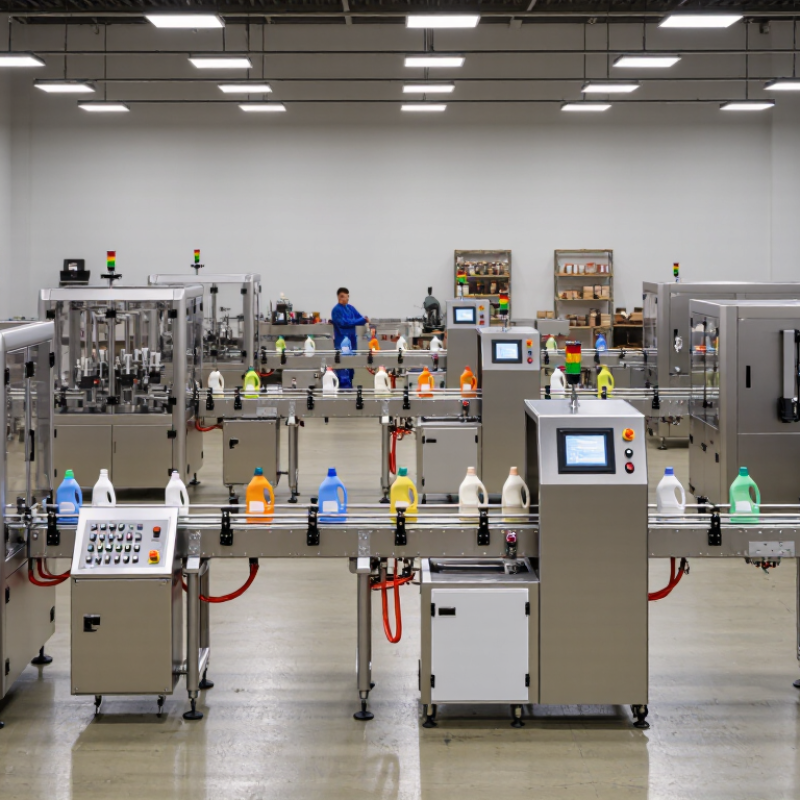
Automatic Labeling Machine Types: 20–300 Labels/Minute and ±1 mm Accuracy
Top 10 Automatic Labeling Machines for Global Buyers?
Automatic labeling machines serve different production needs, from small workshops to high-volume factories. Their speeds commonly range from 20 to 300 labels per minute. Actual output depends on container shape, label size, material, and operator settings. Wrap-around systems suit round bottles, while front-and-back machines handle flat containers. Top and bottom labelers work well for boxes, trays, and pouches.
In practical testing, ±1 mm accuracy is possible when products arrive evenly spaced and labels remain stable. A conveyor with adjustable guides reduces product movement. Optical sensors must also match the label gap and surface color. I have seen small alignment errors grow during long production runs. Regular sensor cleaning and sample checks help prevent this problem. Still, no machine keeps perfect accuracy in every environment.
Global buyers should compare rated speed with usable speed. A machine running at 300 labels per minute may slow down with fragile containers or difficult adhesive materials. Semi-automatic models can be sensible for 20–80 labels per minute. Inline automatic systems are better for continuous production above 150 labels per minute. Buyers should request trial labeling, accuracy records, changeover time, and maintenance details. The first specification is not always the most useful one.
How to Compare the Top 10 Machines by Speed, Container Fit, and OEE
Comparing the top 10 automatic labeling machines requires more than reading advertised speed. In factory trials, operators should record actual containers per minute, not the nameplate figure. A machine rated at 120 units per minute may deliver 85 after changeovers, sensor pauses, and label-roll replacement. Measure three shifts. Short tests can mislead. Ask for verified data under similar product conditions. Use a stopwatch, production counter, and downtime log. This creates a practical baseline for global buyers.
Container fit separates a flexible machine from a costly compromise. Check diameter, height, taper, surface texture, and container stability at the labeling point. Round bottles, flat cartons, and small jars may need different guides or applicators. Test the smallest and largest formats before purchase. I have seen line teams focus on speed, then lose hours adjusting rails. That mistake is common. Record changeover time, tool requirements, and saved recipes. A clear fit range matters more than a broad catalog claim.
OEE gives the fairest comparison because it combines availability, performance, and quality. Calculate it from real production: running time, target cycle, accepted labels, and rejected units. A fast machine with frequent stops may score below a slower, stable model. Check label placement accuracy, reject rates, cleaning access, and maintenance response. Request trial records, calibration procedures, and service training details. Independent testing strengthens confidence, though test conditions still need scrutiny. My own ranking would remain provisional until each machine runs the same containers, materials, and shift pattern. That is where attractive specifications often become less convincing.
Top 10 Automatic Labeling Machine Configurations
Comparison by rated labeling speed, typical operating OEE, and compatible container diameter. Values are representative planning benchmarks for common automatic labeling configurations; actual performance depends on product geometry, label stock, changeovers, operator practices, and line integration.
Container-fit ranges refer to typical cylindrical or rectangular packages handled by each configuration. OEE is shown as a practical reference value rather than a guaranteed machine specification.
Global Compliance Guide: CE, UL, GMP, and IP54–IP65 Protection Ratings
Global buyers often rank automatic labeling machines by speed, accuracy, and changeover time. Compliance deserves equal attention. CE marking requires a documented conformity assessment for applicable European Union requirements. It is not a universal quality certificate. The technical file should include risk assessment, electrical diagrams, manuals, and test evidence. UL requirements may apply in North American projects, especially when insurers or site authorities request recognized electrical components. Requirements vary by installation.
GMP is different. It evaluates hygienic design, cleanability, material suitability, and contamination control. A polished frame alone proves little. Check product-contact materials, enclosed cable routes, tool-free cleaning areas, and validation records.
IEC 60529 defines IP54 as dust-protected with protection against water splashes. IP65 provides dust-tight protection and resistance to water jets. Higher protection is useful, but seals can complicate maintenance. This is an easy detail to overlook.
The ISO Survey 2023 recorded 1,265,216 ISO 9001 certificates worldwide, reinforcing the value of controlled procedures and traceable records. For a Top 10 shortlist, request declarations, test reports, calibration history, cleaning instructions, and regional service evidence. Documents may be incomplete. Ask difficult questions before purchase.
Total Cost Analysis: Labor Savings, Changeover Time, and ROI in 3–5 Years
Top 10 Automatic Labeling Machines for Global Buyers: Total Cost Analysis
Buying an automatic labeling machine requires more than comparing purchase prices. In packaging audits, labor often becomes the largest controllable cost. A machine may replace one operator per shift, but savings depend on wages, uptime, training, and supervision. For example, three shifts and two changeovers daily can create significant hidden expenses. A reliable estimate should include installation, spare parts, maintenance, electricity, and rejected labels. A neat spreadsheet can still be wrong.
Changeover time deserves close attention. Switching from a small bottle to a larger container may take 20 minutes, or much longer with poor adjustment access. Over a year, those lost minutes can equal several working days. Compare machines using your real product range, not a supplier’s fastest demonstration. Measure label positioning, sensor calibration, cleaning time, and restart waste. In my experience, a slower machine with simpler adjustments can deliver better long-term value. Speed is not everything.
Tips: Calculate ROI under low, expected, and high production volumes. Include overtime and temporary labor costs. Test at least three common container sizes. Record changeover time with an operator, not only an engineer. A three-year payback may look attractive, but a five-year view can expose maintenance risks. Also question optimistic uptime claims. Your production floor may be dustier, busier, and less predictable than the showroom.
Top 10 Automatic Labeling Machines for Global Buyers — Total Cost Analysis: Labor Savings, Changeover Time, and ROI in 3–5 Years
Indicative comparison for medium-volume industrial operations. Figures are shown in USD and represent typical 2025–2026 market ranges for new equipment, excluding taxes, duties, building works, and major upstream or downstream line modifications.
| Rank | Automatic Labeling Machine Type | Typical Application | Rated Speed | Typical Installed Cost | Operators Replaced
per Shift | Estimated Annual Labor Saving | Typical Changeover Time | Annual Maintenance & Consumables | Estimated 3-Year ROI | Estimated 5-Year ROI | Simple Payback |
| 1 | Pressure-Sensitive Inline Labeler | Bottles, jars, cans, and cartons with one or two labels | 80–200 containers/min | $35,000–$85,000 | 1.0–1.5 | $45,000–$75,000 | 20–40 min | $3,000–$7,000 | 95%–180% | 220%–390% | 14–22 months |
| 2 | Wrap-Around Labeler | Cylindrical containers, round bottles, and cans | 60–180 containers/min | $30,000–$75,000 | 0.8–1.3 | $38,000–$65,000 | 15–35 min | $2,500–$6,000 | 100%–210% | 250%–450% | 12–20 months |
| 3 | Front-and-Back Labeler | Flat, oval, or rectangular containers requiring two labels | 50–150 containers/min | $42,000–$95,000 | 1.0–1.5 | $45,000–$75,000 | 25–50 min | $3,500–$8,000 | 75%–155% | 180%–335% | 16–26 months |
| 4 | Top-and-Bottom Labeler | Cartons, trays, boxes, and packaged food products | 40–120 packs/min | $38,000–$90,000 | 0.8–1.4 | $38,000–$70,000 | 20–45 min | $3,000–$7,500 | 70%–160% | 175%–350% | 16–27 months |
| 5 | High-Speed Rotary Pressure-Sensitive Labeler | Large-volume beverage, personal-care, and household products | 180–500 containers/min | $110,000–$260,000 | 1.5–2.5 | $70,000–$125,000 | 35–75 min | $8,000–$18,000 | 45%–125% | 125%–275% | 22–36 months |
| 6 | Print-and-Apply Labeling System | Shipping cartons, pallets, logistics labels, and variable data | 15–60 labels/min | $28,000–$80,000 | 0.6–1.2 | $30,000–$60,000 | 10–25 min | $4,000–$10,000 | 55%–160% | 150%–350% | 15–28 months |
| 7 | Tamper-Evident Seal Labeler | Food, cosmetics, pharmaceutical, and security-sealed packaging | 40–120 containers/min | $45,000–$105,000 | 0.8–1.4 | $38,000–$70,000 | 25–50 min | $3,500–$8,500 | 50%–135% | 135%–300% | 19–32 months |
| 8 | Shrink-Sleeve Labeling System | Full-body decoration and tamper-evident sleeves for containers | 80–250 containers/min | $85,000–$220,000 | 1.0–1.8 | $45,000–$90,000 | 40–90 min | $9,000–$22,000 | 25%–95% | 85%–220% | 27–43 months |
| 9 | Vial and Ampoule Labeler | Small cylindrical pharmaceutical and laboratory containers | 80–300 units/min | $75,000–$190,000 | 1.0–1.8 | $45,000–$90,000 | 30–70 min | $8,000–$20,000 | 30%–105% | 95%–240% | 25–40 months |
| 10 | Case and Pallet Labeling Cell | Corrugated cases, export cartons, and pallet identification | 8–30 cases/min | $65,000–$170,000 | 0.8–1.5 | $38,000–$75,000 | 15–40 min | $6,000–$15,000 | 30%–120% | 100%–275% | 22–38 months |
Calculation assumptions: ROI is estimated as (cumulative labor savings minus equipment cost, installation, maintenance, and consumables) divided by equipment cost. The model assumes two production shifts per day, 250 operating days per year, 1.5–2.0 operators per manual labeling station, and a fully loaded labor cost of $18–$30 per hour. Actual results vary with line utilization, product mix, label geometry, local wages, reject rates, service contracts, and integration requirements. Changeover time refers to the typical time required to switch between established product formats after operator training.
Top 10 Automatic Labeling Machines Ranked by Throughput, Precision, and Support
Top 10 Automatic Labeling Machines for Global Buyers?
The following ranking weighs throughput, placement precision, and technical support. Rotary pressure-sensitive machines lead for high-speed bottles, reaching 300–600 labels per minute in stable conditions. Inline pressure-sensitive models follow, usually delivering 120–300 labels per minute with reliable ±1 mm placement. Wrap-around systems suit cylindrical containers and offer strong alignment at 100–250 containers per minute.
Front-and-back labelers provide flexible positioning for jars, bottles, and cartons. Their speed is moderate, but changeovers can be practical.
Top-labeling machines rank well for flat cartons and pouches, especially when surface variation is limited.
Tube labelers handle curved products but require careful pressure adjustment. Vial and small-container machines can achieve excellent precision, although feeding stability often limits real output. Carton labelers support larger packages and integrate well with inspection systems. Semi-modular systems rank tenth because they offer useful flexibility, but their maximum throughput is usually lower.
Precision should be tested with real containers, not empty specifications. Adhesive behavior changes with dust, humidity, and surface temperature. Support matters just as much.
Strong suppliers provide installation guidance, operator training, spare parts, troubleshooting records, and responsive remote diagnostics. Ask for a factory acceptance test using your labels and products.
My practical concern is simple: advertised speed can disappoint after frequent roll changes. A slower machine with steadier feeding may produce more sellable units each shift. That trade-off deserves honest review.


 Distributors
  SDS Download
  Contact