Top Packing Machine Solutions for Global Buyers?
In the rapidly evolving packaging industry, choosing the right Packing machine is crucial for businesses worldwide. According to a report by Smithers Pira, the global packaging machinery market is expected to reach $50 billion by 2025. This growth highlights the increasing demand for efficient and reliable packing solutions. However, navigating this market can be challenging for buyers.
Industry expert John Taylor, a leading figure at Packaging Machinery Manufacturers Institute, asserts, "Investing in the right packing machine can significantly reduce production costs and increase productivity." His insight emphasizes the importance of selecting equipment that not only meets immediate needs but also adapts to future demands. With various styles and technologies available, buyers should consider critical factors such as speed, flexibility, and automation.
The quest for the ideal packing machine requires careful evaluation. Not every solution will fit every business model. Potential pitfalls include underestimating maintenance needs or overcommitting to complex machinery. Achieving the right balance between innovation and practicality is vital for ensuring long-term success in this competitive landscape. Each decision impacts overall efficiency and profitability.
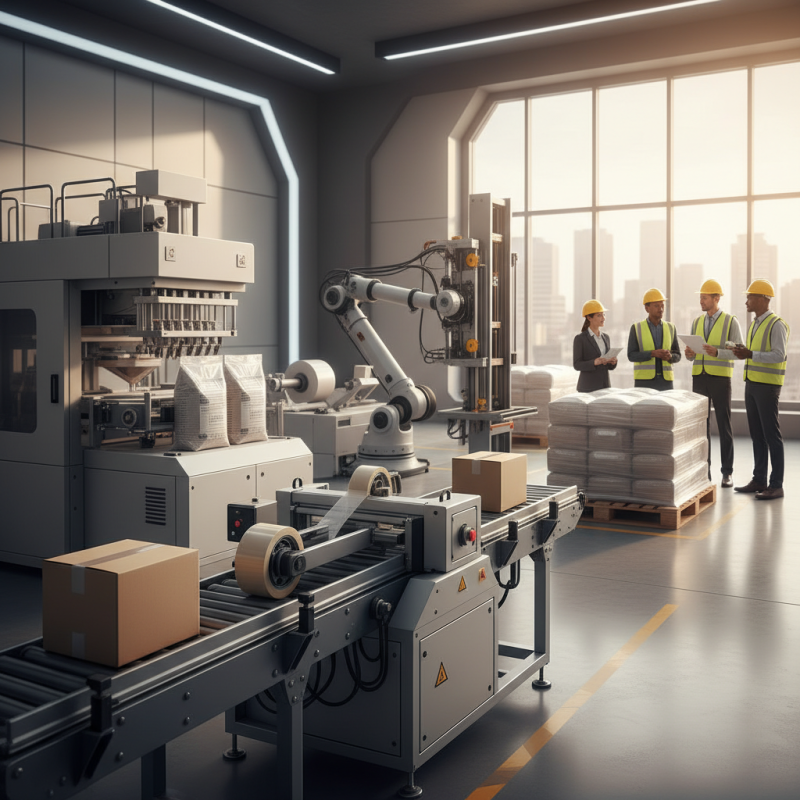
Overview of Packing Machine Technologies in the Global Market
The global packing machine market is witnessing rapid evolution. Advanced technologies are shaping the way products are packaged across various industries. Automation is at the forefront, enhancing efficiency and reducing human error. This continual development leads to faster production rates and lower operational costs.
Sustainability is a growing concern among buyers. Eco-friendly packaging solutions are in demand. Many manufacturers are focusing on biodegradable materials and recyclable options. However, this shift presents challenges, as not all sustainable materials meet durability requirements. The struggle to balance efficiency and sustainability remains a key topic for innovation.
Data-driven packing solutions are becoming increasingly relevant. Machine learning and AI are optimizing packing processes. These systems analyze patterns and adjust settings in real-time. Yet, integration into existing operations can face resistance. Users often worry about the reliability of new technologies. Continuous training and support are essential to overcome this hesitation.
Key Features to Consider When Selecting Packing Machines
Selecting the right packing machine can significantly streamline operations. When choosing a packing machine, consider several key features. Speed and efficiency are crucial. Look for machines that can adapt to various product sizes and types. This versatility can minimize downtime during production changes.
Additionally, it's important to evaluate ease of use. Machines should have user-friendly interfaces for seamless operation. Staff training time should be minimal. Maintenance is another critical aspect. Look for designs that allow quick access for cleaning and repairs, reducing potential disruption.
Incorporating automation features can greatly enhance productivity. Machines that utilize technology for precision packing can reduce errors. However, consider the initial investment versus potential savings. It’s essential to balance cost with efficiency. Reflect on your specific needs and operational scale before committing. Each decision shapes the overall packing efficiency and impact on your business.
Top Packing Machine Solutions for Global Buyers
| Packing Machine Type | Key Features | Application | Speed (units/hour) | Estimated Cost (USD) |
| Vertical Form Fill Seal | Compact design, user-friendly interface, adjustable filling volume | Snacks, powders, granules | 30-150 | $15,000 - $30,000 |
| Horizontal Flow Wrapper | High-speed operation, automatic film feeding, adjustable sealing | Baked goods, chocolates, pharmaceuticals | 50-200 | $20,000 - $50,000 |
| Labeling Machine | Accurate labeling, high-speed application, online verification | Bottles, jars, containers | 100-300 | $10,000 - $25,000 |
| Bagging Machine | Flexible bag sizes, error detection, seamless integration | Grains, seeds, pet food | 25-100 | $12,000 - $28,000 |
Top Manufacturers of Packing Machines and Their Innovations
Packing machines are essential in today's fast-paced manufacturing world. They streamline processes and enhance efficiency. Many manufacturers focus on innovation. They aim to meet diverse needs across various sectors. For example, automated systems reduce labor costs and improve speed. These machines often incorporate advanced technology, like AI and IoT, to optimize performance.
Some companies prioritize user-friendly designs. Intuitive interfaces make operation easy, even for new staff. This focus on the user experience can lead to faster training times. Reliability is another key feature. Machines designed for durability minimize downtime widely. However, constant innovation can lead to growing pains. Some users struggle to adapt to rapid changes in technology.
Sustainability is a crucial area of innovation. Many manufacturers are exploring eco-friendly materials and energy-efficient designs. There is still much room for improvement in this field. Balancing performance with environmental impact presents challenges. Continuous feedback from users can guide future advancements. The ongoing evolution of packing machines reflects the dynamic needs of global markets.
Comparative Analysis of Packing Solutions for Different Industries
In today's competitive landscape, packing solutions are vital across various industries. A recent study noted that the global packaging market is projected to reach $1 trillion by 2024. This growth underscores the need for tailored packing machines that meet diverse industry requirements.
In the food industry, for instance, the rise of e-commerce has shifted packing demands. Machines with faster speeds and precision are essential. According to industry reports, 75% of food manufacturers are investing in automation to enhance efficiency. The pharmaceutical sector also prioritizes compliance and safety. Packing solutions here require robust quality assurance features. Nearly 60% of pharmaceutical companies report challenges in maintaining packaging integrity during transit.
The beverage industry reflects another unique packing need. Recent data reveals that 80% of beverage producers seek sustainable packing options. This shift often leads to the integration of eco-friendly materials. Yet, despite advancements, many manufacturers grapple with balancing costs and sustainability. Addressing this challenge often requires innovative approaches.
Future Trends in Packing Machinery and Automation Solutions
As industries evolve, packing machinery must adapt to new demands. Automation is a driving force behind this change. Modern packing machines now utilize advanced technologies like AI and IoT. These innovations enhance efficiency and reduce labor costs. Companies face pressure to increase production speed while maintaining accuracy.
Sustainability issues also shape future trends. Eco-friendly materials are gaining popularity. Users expect machines to minimize waste and energy consumption. The challenge lies in integrating these solutions without sacrificing performance. Many organizations struggle to balance innovation with practical application. They need to ensure their machines can handle diverse materials and packaging styles.
Furthermore, the importance of data analytics is becoming clear. Real-time monitoring improves decision-making. However, companies must navigate the complexities of data security. This aspect often gets overlooked but is crucial for reliable operations. As technology advances, businesses need to stay informed. Adapting to these trends is vital, but it requires continuous reflection on practices and outcomes.



 Distributors
  SDS Download
  Contact