Why Choose an Inkjet Coder for Your Business Needs?
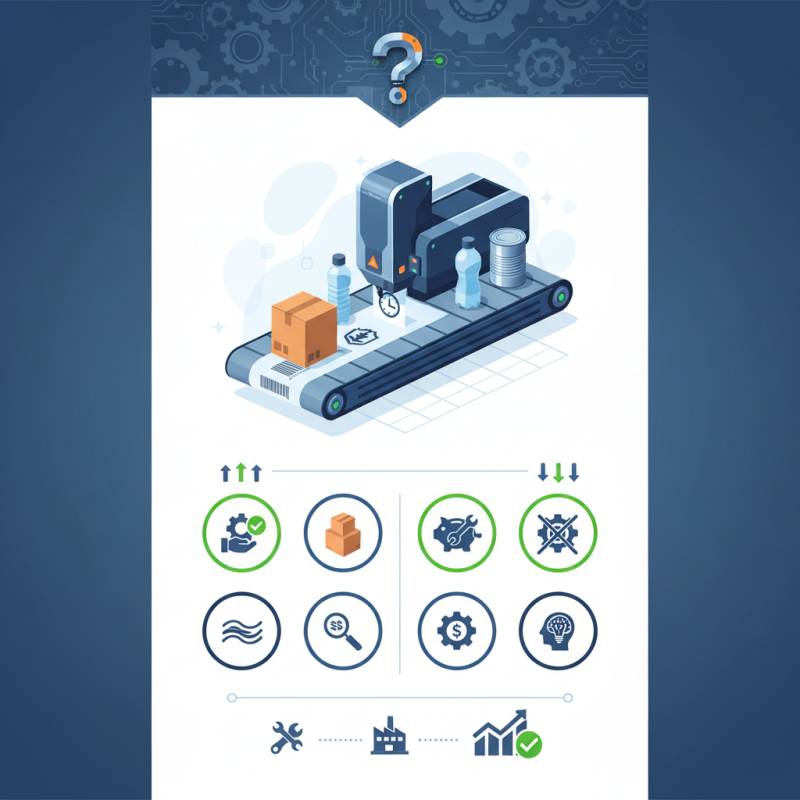
In today's fast-paced manufacturing landscape, choosing the right tools can make a significant difference. An Inkjet Coder stands out for its versatility and efficiency. It can handle various substrates, from cardboard to plastic, making it ideal for diverse businesses.
Inkjet Coders deliver high-quality prints that are essential for branding and compliance. They can print barcodes, expiration dates, and logos with precision. This capability not only enhances product visibility but also helps maintain safety standards.
However, not all Inkjet Coders perform equally. Businesses must consider factors like maintenance and operational costs. It's crucial to assess specific needs and evaluate options carefully. Selecting an Inkjet Coder is a step forward, but reflection on the choice is necessary for long-term success.
Overview of Inkjet Coders: Definition and Functionality
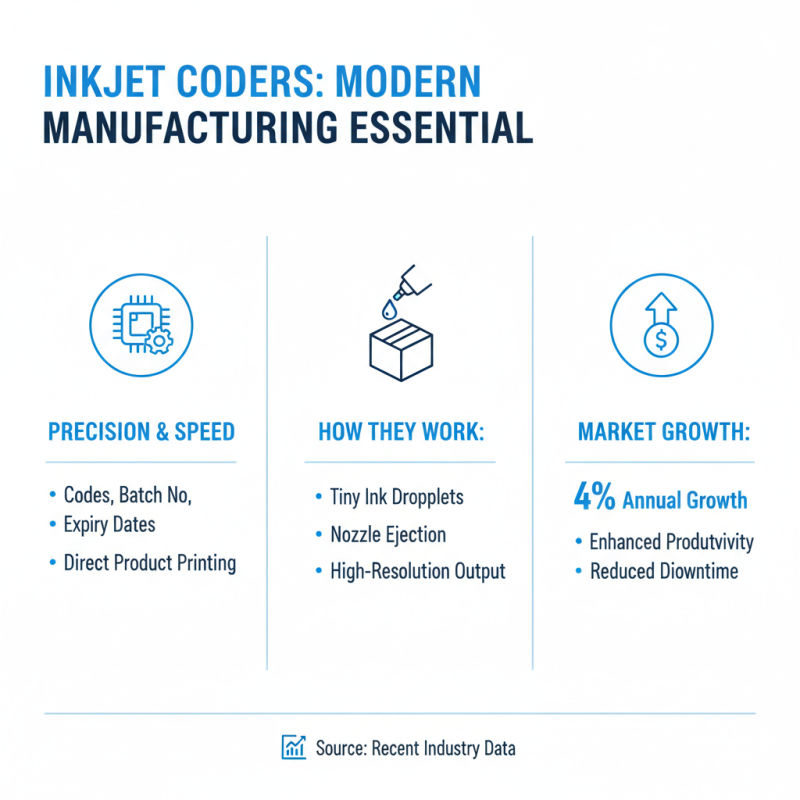
Inkjet coders are essential tools in modern manufacturing. They provide precise and fast printing solutions for codes, batch numbers, and expiration dates directly onto products. These devices work by using tiny droplets of ink that are ejected through nozzles, allowing for high-resolution printing on various surfaces. According to recent industry data, the inkjet coding market is projected to grow by 4% annually, as businesses seek to enhance productivity and reduce downtime.
When it comes to functionality, inkjet coders offer flexibility in different production environments. They can handle various materials like plastic, metal, glass, and paper. This adaptability makes them a popular choice for diverse industries, such as food and beverage, pharmaceuticals, and cosmetics. However, businesses may overlook maintenance needs, which can lead to inconsistent print quality. Keeping the nozzles clean is critical to preventing clogs and ensuring high-quality prints.
Tips: Regularly perform maintenance checks. This includes cleaning and replacing ink cartridges. Monitor print quality frequently to catch any issues early. Also, consider integrating inkjet coders into automated systems to streamline operations. This can significantly improve efficiency and lower labor costs. While inkjet coders can be an investment, their long-term benefits often outweigh the initial expenses.
Key Benefits of Using Inkjet Coders in Business Operations
Inkjet coders have become essential in modern business operations. They offer significant advantages that can improve efficiency and reduce costs. According to a recent industry report, 70% of manufacturers have seen a decrease in labeling errors after switching to inkjet coding. This technology ensures clear and precise marking on various products. Businesses can avoid costly recalls and enhance product traceability.
Flexibility is another key benefit. Inkjet coders can print on a variety of surfaces, including plastics, metals, and cartons. This versatility caters to different manufacturing needs. A survey indicated that companies utilizing inkjet coders report a 50% increase in production speed. This boost allows them to meet high demand more effectively. However, maintaining equipment can represent a challenge. Inconsistent maintenance could lead to downtime and increased costs.
Moreover, inkjet technology supports eco-friendly practices. Water-based inks are safer and reduce harmful waste. A study found that 60% of businesses using eco-friendly coding saw improved public perception. While the initial investment may be significant, the long-term benefits can outweigh these costs. Companies must weigh these factors for optimal outcomes in their operations. The choice to implement inkjet coders should align with future goals and sustainable practices.
Why Choose an Inkjet Coder for Your Business Needs? - Key Benefits of Using Inkjet Coders in Business Operations
| Benefit |
Description |
Industry Applications |
| High-Quality Printing |
Produces sharp and clear prints, ideal for detailed product information. |
Food and Beverage, Cosmetics |
| Versatility |
Able to print on various surfaces including plastic, glass, and metal. |
Pharmaceuticals, Electronics |
| Cost-Effective |
Lower operational costs compared to laser coding, especially for small runs. |
Manufacturing, Retail |
| Fast Printing Speed |
High-speed printing capabilities enhance productivity on production lines. |
Automotive, Packaging |
| Ease of Use |
User-friendly interfaces and minimal training required for operators. |
General Manufacturing, Distribution |
Comparative Analysis: Inkjet Coders vs. Other Coding Technologies
When considering coding technologies, inkjet coders shine in comparison to alternatives. Industry data indicates that inkjet printers are versatile and adapt well across various surfaces. They can print on porous and non-porous materials. This adaptability is crucial for manufacturers facing diverse packaging needs. However, an upfront investment in inkjet systems can be significant.
Laser coding has its strengths, particularly in precision and permanence. It offers a longer lifespan than inkjet solutions, which may be appealing for some industries. Yet, inkjet coders provide immediate benefits. They can handle high-speed operations. According to a recent market analysis, companies could increase their productivity by 30% with inkjet technology in high-volume scenarios.
However, maintenance costs can be a concern with inkjet systems. Ink clogs and required cleaning may disrupt production. Reports show that up to 40% of downtime in inkjet coding results from these issues. This can be frustrating for operators and impact output efficiency. Balancing the advantages with these challenges is essential for businesses.
Factors to Consider When Choosing an Inkjet Coder
When choosing an inkjet coder for your business needs, several factors come into play. The production environment is crucial. If you operate in a dusty area, look for machines with robust sealing. Consider the types of substrates you will print on. Some coders work well on non-porous materials, while others excel on porous surfaces.
User-friendliness is another key factor. A complicated interface can slow down productivity. Intuitive software helps your team adapt quickly. Think about maintenance as well. Frequent servicing can lead to downtime, impacting your output. Also, evaluate the cost of consumables. Expensive ink or parts may quickly escalate your budget.
Flexibility matters too. Your business needs might change. A versatile inkjet coder can handle various formats and sizes. Look for options with adjustable settings. However, don’t underestimate your specific requirements. Overthinking can complicate your choice. A balance between features and practicality is essential. This reflection ensures you invest wisely and effectively.
Applications of Inkjet Coding Across Various Industries
Inkjet coding technology has rapidly evolved, making it a preferred choice in diverse industries.
Food and beverage sectors utilize inkjet coders for marking expiration dates and batch numbers.
This ensures traceability and compliance with safety standards. These codes are essential for consumer safety, but they must be clear and accurate.
A poorly printed code can lead to product recalls or customer dissatisfaction.
Pharmaceutical companies also rely on inkjet coding. They use it to label drug packaging with vital information.
Information must be legible and resistant to smudging to prevent medication errors. The ink must withstand various handling conditions, which can be a challenge.
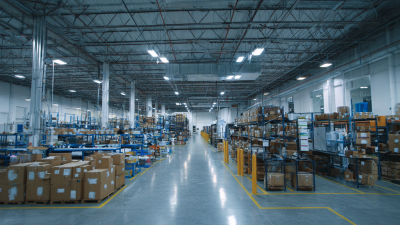
In sectors like logistics, inkjet printers help track shipments and manage inventory. However, inconsistent printing can create headaches for warehouse operations.
Inkjet coders are versatile but not infallible. Operators must be trained to maintain quality control.
Regular maintenance is a must to ensure optimal performance. Even minor issues can lead to significant downstream effects. The balance between speed and accuracy is delicate.
A fast print can sacrifice clarity, leading to potential miscommunication. Continuous evaluation of these processes is essential for success.



 Distributors
  SDS Download
  Contact