
Partner Login
Enter your username and password here on order to log in on the partner portal:
No registered partner yet?
Register nowGlobal solar projects face uneven terrain, remote sites, harsh weather, and complex supply chains. Satellite Racking offers a practical response to these challenges. Its modular structure can support installations across deserts, agricultural land, and difficult mountain regions. The design also helps project teams adjust layouts when site conditions change.
Every project begins with a detailed assessment. Engineers review soil strength, wind exposure, snow loads, drainage, and transportation access. These factors influence foundation selection, row spacing, and installation methods. A racking system that works in southern Spain may require major changes in northern Canada. Local experience matters.
Field experience shows that simple logistics can determine project success. Components should arrive in manageable sections. Crews need clear assembly steps and reliable connection points. Small details matter. A misplaced bracket can delay an entire row.
Satellite Racking can also support long-term maintenance. Accessible components make inspections easier. Strong corrosion protection may reduce replacement work in coastal environments. However, it is not a universal solution. No design fits every site. Engineers must verify structural calculations, local standards, and manufacturer data before construction.
That process builds confidence. It also exposes weaknesses early. Some projects may discover that transport limits or unexpected ground conditions require redesign. This is inconvenient, but honest planning is safer than optimistic assumptions. By combining professional engineering, tested materials, and site-specific judgment, Satellite Racking can help global solar developers create resilient, efficient, and maintainable photovoltaic systems.
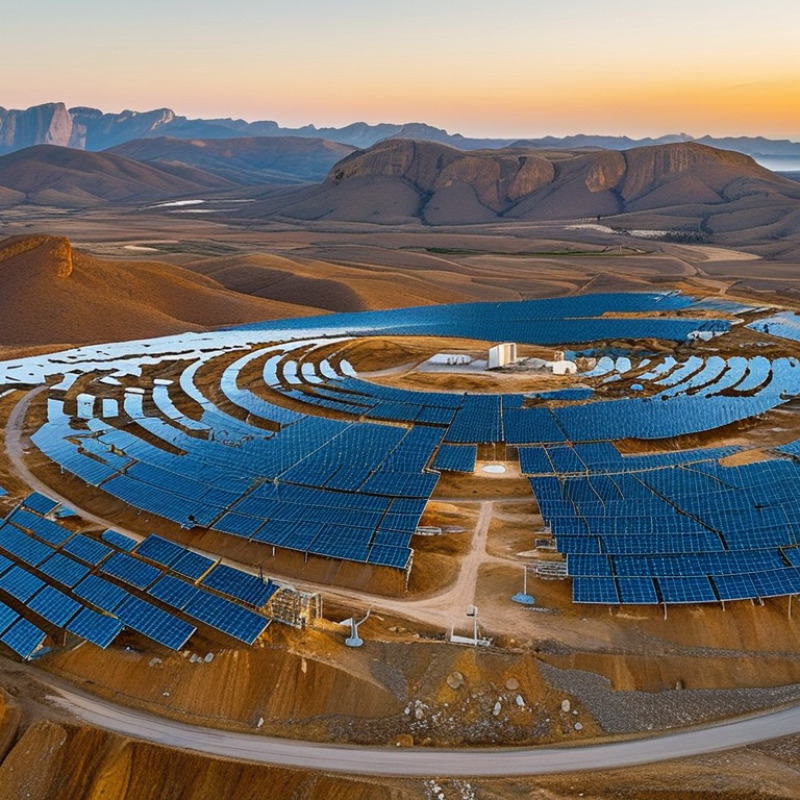
Satellite racking refers to modular mounting units positioned across separate solar areas. These units may serve distant fields, rooftops, floating platforms, or difficult terrain. Unlike one continuous frame, satellite racking divides the project into manageable installation zones.
Each unit supports panels, rails, foundations, and cable pathways. Its role is practical and strategic. Crews can install smaller sections with local equipment. Designers can adjust tilt, spacing, and orientation for each site condition.
On a sloped field, one unit may use short driven piles. Another may require reinforced concrete foundations. This flexibility helps projects respond to soil changes, wind exposure, and uneven sunlight.
Satellite racking also supports phased construction. An operator can energize one area while another remains under development. Maintenance becomes more focused because technicians can isolate a smaller section. That can reduce disruption during inspections or component replacement. Clear access routes still matter. Poor spacing can turn a modular layout into a difficult maze.
The approach is not a universal answer. More junctions may increase cable planning and inspection requirements. Transport between separated areas can also raise labor costs. In my experience, early layouts often look efficient on paper but overlook drainage, tool access, or seasonal vegetation. Careful surveys and repeat design reviews are essential. Small details decide whether satellite racking performs reliably over decades.
In global solar projects, satellite racking usually describes a modular mounting system arranged around distributed support points. Its design must suit local wind, snow, soil, and maintenance conditions. The main components include steel posts, ground foundations, horizontal rails, module clamps, and adjustable brackets. Some systems also use bearings, drive units, position sensors, and control cabinets.
The structure carries solar modules while maintaining their planned angle and spacing. Foundations transfer mechanical loads into the ground. Rails spread module weight across the posts. Clamps secure each panel without damaging its frame.
In tracking applications, a controller receives position data and directs the drive unit. The mechanism then rotates the array gradually during daylight. Small movements matter. They can improve light capture, but they also increase mechanical complexity.
Reliable projects require more than strong metal. Engineers check corrosion protection, drainage, cable routing, and access for cleaning or repairs. Local standards should guide structural calculations and electrical clearances. Satellite data can support early site planning, especially for terrain and solar-resource estimates, but it cannot replace ground surveys. A map may miss soft soil or seasonal flooding. That is a common weakness. Field measurements should confirm every critical assumption before construction. Clear installation tolerances also help crews align long rail sections across uneven ground. A design that looks efficient on paper may become difficult when spare parts, trained technicians, or heavy lifting equipment are far away.
Satellite racking suits utility-scale solar because it divides a large field into manageable installation blocks. Each block can be aligned, inspected, and repaired with less disruption. That matters as projects become larger and more geographically dispersed. IRENA’s Renewable Capacity Statistics 2024 recorded about 1,419 GW of global solar capacity at the end of 2023. More capacity demands simpler construction methods.
The system can adapt to uneven ground, irregular boundaries, and changing site conditions. Crews may install one section while another awaits grading or electrical work. This supports phased construction and reduces dependence on one continuous work front. It can also simplify transport across remote regions, where heavy equipment, roads, and storage space are limited. Small, repeatable assemblies are easier to replace. They are not always faster, though.
IEA PVPS reported approximately 407 GW of new photovoltaic capacity worldwide in 2023. That pace increases pressure on labor, logistics, and commissioning schedules. Satellite racking can improve access between array zones and limit maintenance interruptions to nearby modules. Operators gain clearer inspection routes, especially after storms or high-wind events. The trade-off is real: more interfaces may require stricter surveying, grounding, and torque control. NREL field guidance consistently emphasizes robust foundations, drainage, and site-specific structural design. A practical design review should compare land use, installation hours, cable lengths, and long-term maintenance—not just steel cost.
| Project Dimension | Typical Utility-Scale Benchmark | Satellite-Racking Advantage | Global Project Relevance |
|---|---|---|---|
| System Architecture | Large solar fields are commonly divided into repeatable rows, blocks, and electrical sub-arrays. | A modular, distributed layout allows individual rack sections to be installed, inspected, and serviced without interrupting the entire plant. | Useful for phased construction, remote sites, and projects with multiple terrain or grid interconnection zones. |
| Energy Yield | Single-axis tracking can increase annual energy production by approximately 15%–25% compared with fixed-tilt systems, depending on latitude, weather, shading, and layout. | Independent rack sections can support tracker or fixed-tilt configurations according to the solar resource and terrain of each project area. | Supports optimized designs across high-irradiance regions, temperate climates, and areas with seasonal sunlight variation. |
| Land Utilization | Ground-coverage ratio for utility-scale sites commonly falls within about 0.30–0.50, depending on row spacing, tracker geometry, terrain, and access requirements. | Satellite-style blocks can be spaced independently, helping balance power density, access roads, drainage, and shading losses. | Particularly suitable for irregular parcels, agricultural co-use, brownfields, and sites where usable land is fragmented. |
| Terrain Adaptability | Conventional layouts generally require grading or detailed pile and foundation engineering when slopes, rock, or variable soil conditions are present. | Shorter, repeatable rack sections can follow moderate changes in slope and reduce the need to force an entire field into one geometric plane. | Improves design flexibility in mountainous, desert, coastal, and geotechnically variable regions. |
| Bifacial Module Compatibility | Bifacial modules can produce additional rear-side energy, but the gain depends strongly on albedo, row spacing, module height, and ground shading. | Open rack geometry and carefully separated blocks can improve rear-side irradiance and reduce unnecessary obstruction beneath modules. | Well suited to high-reflectance surfaces such as light-colored soil, gravel, snow-prone areas, and selected agricultural sites. |
| Wind and Snow Design | Structural design must follow site-specific wind, snow, seismic, corrosion, and foundation requirements; universal load values are not appropriate. | Smaller rack sections allow load paths, foundations, and stow or tilt strategies to be engineered for local conditions rather than using one configuration across the entire site. | Helpful when a project crosses multiple climate zones or includes coastal, high-wind, heavy-snow, or seismic conditions. |
| Installation Logistics | Utility projects require coordinated delivery of steel, fasteners, modules, electrical equipment, and construction machinery over large areas. | Repeatable rack units can be staged by construction zone, reducing long-distance movement of materials inside the site and simplifying work-package planning. | Benefits projects in remote locations, areas with limited road access, and regions with seasonal construction windows. |
| Operations and Maintenance | Routine activities include vegetation control, torque checks, corrosion inspection, module cleaning where justified, and corrective maintenance. | Sectional layouts make it easier to isolate affected rows or blocks and create clear access routes for inspection and repair. | Can reduce operational disruption when faults or severe weather affect only part of a large solar field. |
| Water and Drainage | Drainage design must account for site runoff, soil infiltration, grading, rainfall intensity, and local environmental requirements. | Distributed rack blocks can preserve natural drainage paths and limit extensive grading when properly integrated with civil design. | Valuable in monsoon climates, flood-sensitive areas, arid regions with erosion risk, and sites with strict stormwater controls. |
| Scalability | Large plants are often built in blocks that can be expanded as transmission capacity, permits, and financing become available. | A standardized rack concept can be replicated across additional blocks while allowing local adjustments for soil, slope, wind, and module configuration. | Supports multi-stage development programs and geographically distributed renewable-energy portfolios. |
| Design and Compliance | Racking, foundations, electrical interfaces, and installation practices must be verified against applicable structural, electrical, fire, and environmental requirements. | Modular design enables repeatable engineering documentation while retaining site-specific checks for loads, corrosion, seismic conditions, and foundations. | Facilitates adaptation to different national codes, permitting conditions, and climate zones without assuming identical site parameters. |
Note: The figures shown are indicative engineering ranges compiled from widely used utility-scale photovoltaic design practices. Actual performance and structural requirements depend on site-specific irradiance, latitude, albedo, row spacing, soil, topography, wind, snow, seismic loads, module characteristics, and applicable local standards.
Site selection decides whether a solar project performs well or struggles. Satellite racking, built from modular and independently installed sections, can adapt to irregular land, separated rooftops, and mixed-use sites. It reduces the need to force every panel into one rigid layout.
IRENA reported that solar power represented about 73% of new renewable capacity added worldwide in 2023.
This matters across global markets. More projects now enter deserts, agricultural areas, industrial zones, and remote communities. Each location brings different soil strength, wind exposure, drainage, transport access, and grid distance. Satellite racking can support phased construction where land parcels become available at different times. That flexibility is useful, not magical.
Site surveys must still confirm slope, geotechnical conditions, flood risk, and maintenance access.
In high-wind regions engineers need verified structural calculations and tested connection details.
In snowy climates, snow-load assumptions cannot be copied from another country. Local codes matter.
Compatibility also depends on the module format, tracker movement, cable routing, and foundation method.
IRENA’s Renewable Power Generation Costs in 2023 reported utility-scale solar PV costs near USD 0.044 per kilowatt-hour globally.
Lower costs increase pressure to protect energy yield and reduce installation delays. However, modular racking may require more careful coordination between separate arrays. That planning effort is easy to underestimate.
A practical design combines satellite mapping, ground surveys, drainage studies, and local engineering review before procurement.
Installation, Maintenance, and Long-Term Performance Considerations
Satellite racking can simplify solar deployment across remote, uneven, or widely separated sites. Its modular structure allows crews to transport smaller sections through narrow roads and difficult terrain. On-site teams should confirm soil conditions, wind exposure, drainage, and local construction requirements before assembly. Small details matter. A practical installation plan includes torque records, anchor inspections, and clear cable routing. These records help different crews understand what happened months later.
Maintenance becomes easier when each racking section remains accessible. Technicians can replace damaged rails or fasteners without disturbing the entire array. Regular inspections should check corrosion, loose connections, settlement, cracked modules, and vegetation contact. Coastal air and desert dust require different inspection intervals. Weather changes. Remote projects also need spare fasteners, simple tools, and reliable access plans. A maintenance schedule that looks efficient on paper may fail when roads become unusable.
Long-term performance depends on movement, drainage, and material compatibility. Aluminum, galvanized steel, coatings, and stainless hardware should be selected carefully to reduce galvanic corrosion. Thermal expansion can gradually stress joints if the design leaves no movement allowance. Engineers should review load calculations after unusual storms or ground changes. Field experience also reveals uncomfortable truths: installation teams sometimes tighten fasteners inconsistently, and early visual checks can miss hidden settlement. That assumption fails. Periodic torque verification, photographic records, and independent inspections provide stronger evidence of structural health. Over time, measured data should influence redesigns, even when it challenges the original installation plan.